
Womens Firearms
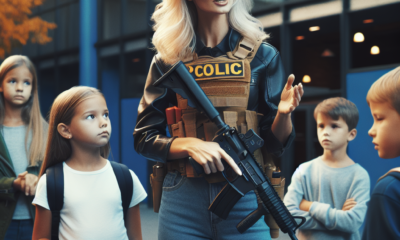
Why Every Child Should Receive Firearm Education

Hello, everyone! I’m Jade Tripp, and today I want to have an open and empowering conversation about a topic close to my heart: firearm education for children. As a women’s self-defense and firearms expert, I believe educating our young ones about firearms is not only beneficial but crucial in today’s world. Let’s explore why this education should be an integral part of their upbringing.
Understanding Firearms: The Foundation
First and foremost, understanding firearms is about safety. Children are naturally curious, and if they find a firearm, their curiosity could lead to dangerous situations. By providing education, we can demystify firearms and reduce the stigmas and fears associated with them. A child who is educated about firearms is more likely to adhere to gun safety rules, which can significantly decrease the chances of accidents.
Real-Life Example: The Eddie Eagle Program
The Eddie Eagle GunSafe Program, developed by the NRA, is a notable example of how structured firearm education can make a difference. This program teaches children four essential steps if they encounter a firearm: Stop, Don’t Touch, Run Away, and Tell a Grown-Up. Programs like these help children understand that firearms are not toys and should be treated with respect.
Building Responsibility and Respect
Firearm education fosters a sense of responsibility. When children learn about firearms, they also learn about the consequences of their actions. Through proper guidance, they can appreciate that guns are tools that require respect and responsibility.
Real-Life Example: 4-H Shooting Sports
Many local 4-H programs across the United States offer youth shooting sports, where children can learn marksmanship, safety, and responsibility in a structured and supervised environment. In these programs, kids between the ages of 8 and 18 gain valuable life skills, from focus and discipline to teamwork and respect for rules.
Empowering Confidence and Awareness
Teaching children about firearms can also empower them, particularly in understanding personal safety. Knowing how to handle a firearm, whether they choose to own one in the future or not, instills confidence. They become aware of self-defense options and can make informed choices as they grow older.
Real-Life Example: Women’s Firearm Training Classes
I’ve seen firsthand the transformation in young women who attend firearm training classes specifically designed for female participants. Not only do they learn technical skills, but they also build confidence in their ability to defend themselves. These classes often incorporate situational awareness training, helping to prepare them for real-world scenarios.
Promoting Open Dialogue
Education about firearms fosters open discussions within families. Discussing topics like firearm safety creates a comfortable environment for children to ask questions and express their thoughts and feelings. This open line of communication not only helps demystify firearms but also encourages children to talk about their experiences and concerns related to weapons or self-defense.
Real-Life Example: Family Discussions
Consider the Schmid family from Texas, who made firearm education a regular topic around the dinner table. By sharing stories, asking questions, and discussing safety protocols, they’ve made it a point to ensure their children understand both the dangers and the responsibilities associated with firearms. As a result, their children not only know how to respond if they encounter a firearm but also feel comfortable seeking guidance.
Conclusion: A Balanced Approach
In conclusion, firearm education for children is about more than just teaching them how to use a gun; it’s about instilling a sense of responsibility, respect, and awareness. Ensuring our children are educated in firearm safety prepares them for a world where they may encounter firearms, whether in their own homes or outside in society.
As women, we have the opportunity to be advocates for our children’s safety through education. I encourage you to seek out local programs, engage in discussions with your children, and consider the invaluable lessons they can learn. Knowledge and preparedness are empowering. Together, let’s give our children the tools they need to navigate their world with confidence and safety.
Stay safe, stay empowered!
Warmly,
Jade Tripp










Videos are for Documentary Purposes
Videos are for Educational purpose ONLY.
All Videos are filmed in a SAFE and CONTROLLED ENVIRONMENT…
Join this channel to get access to perks:
https://www.youtube.com/channel/UC_7z4nngWLd_mQ88Jmg0rgA/join
If you like what I do and would like to support the channel CashApp $yokgang.
Love YOU for LIFE! 💋💋💋🫶🏾
Send love mail to:
Yoki Sturrup
PoBox 472157
Miami Fl 33247 😘
❤️❤️❤️❤️❤️❤️❤️❤️❤️❤️❤️❤️❤️❤️❤️❤️❤️❤️❤️❤️❤️❤️❤️❤️❤️❤️❤️❤️❤️❤️❤️❤️
Videos are for Documentary Purposes
Videos are for Educational purpose ONLY.
All Videos are filmed in a SAFE and CONTROLLED ENVIRONMENT…
source

Hey there, amazing women! 🌟 I’m Jade Tripp, and I’m here to empower you with the knowledge and skills to feel safe and secure in your daily lives. Whether you’re a seasoned self-defense enthusiast or just starting out, it’s crucial to understand some key principles of personal safety, especially in today’s unpredictable world.
The Importance of Personal Defense
Personal defense isn’t just about physical confrontation; it’s about mindset, awareness, and intention. Here are some foundational tips to get you started:
1. Stay Aware of Your Surroundings
One of the simplest yet most effective ways to keep yourself safe is to cultivate a strong awareness of your environment. Here’s a practical example: when walking to your car, scan your surroundings. Are there any suspicious individuals loitering near your vehicle? Are your headphones in, distracting you from what’s happening around you? Being aware can help you avoid potential danger before it even arises.
Real-Life Inspiration: Take a cue from Sarah, a college student who used to walk to class with her headphones in. After a close call where she was followed, she decided to change her habits. Now, she approaches her daily commute with a keen eye and a heightened sense of awareness, making her feel empowered and in control.
2. Know Basic Self-Defense Moves
You don’t need to become a black belt to defend yourself. A few basic self-defense techniques can empower you immensely. Here are some to consider practicing:
- Palm Strike: A swift blow using the heel of your palm to strike your attacker’s nose can be incredibly effective.
- Knee Strike: If someone is too close, driving your knee into their groin can incapacitate them momentarily, giving you time to escape.
- Escape from Grabs: Learning how to break free from wrist or arm grabs can be life-saving. Practice these techniques in a controlled environment with a trusted friend or instructor.
Hands-On Learning: Look for local self-defense classes specifically for women. Organizations like R.A.D. (Rape Aggression Defense) provide courses designed to equip you with effective techniques and strategies to handle various scenarios.
3. Understanding Personal Firearms
For those interested in firearms as a means of personal defense, education is paramount. Here’s how to approach it safely and responsibly:
-
Education and Training: First and foremost, seek proper training. Enroll in classes offered by certified firearms instructors. Organizations like the NRA (National Rifle Association) and U.S. Concealed Carry Association (USCCA) have great resources.
-
Choose the Right Firearm: Thinking about purchasing a firearm? Look into compact pistols like the Glock 43 or Sig Sauer P365, which are popular choices among women for their ease of handling and concealment.
-
Safe Storage: Always prioritize safety. Invest in a quality lockbox or safe and ensure your firearm is stored securely, especially if you have children at home.
Real-Life Example: Lisa, a busy mom from Texas, found herself concerned about her home safety. After attending a local workshop on firearm safety and investing in training, she successfully navigated her fears and now carries a concealed firearm responsibly, feeling empowered to protect herself and her family.
4. Practice, Practice, Practice!
Like any skill, personal defense and firearms handling improve with practice. Join a local shooting range where you can train regularly, or find a self-defense class in your area. This consistent practice not only enhances your skills but also builds confidence.
Final Thoughts
The world can sometimes feel like an intimidating place, but you have the power to defend yourself effectively. From situational awareness to understanding firearms, the key is to educate yourself, practice regularly, and share this knowledge with other women in your life.
Remember, the goal isn’t just to learn how to react in dangerous situations but to live your life confidently, knowing you can take charge of your safety. As we empower ourselves, we can also uplift and encourage one another in our journeys toward security and strength. 💪
Stay safe, secure, and always remember: you’ve got this!
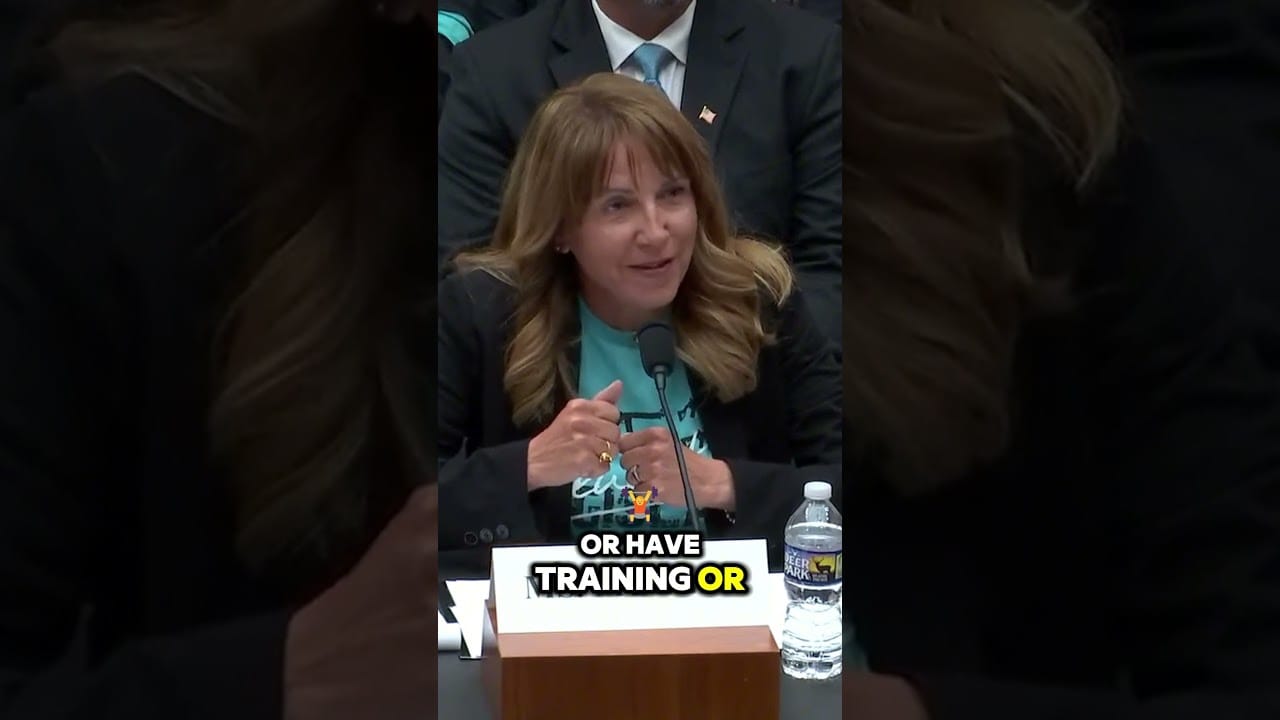
Pt 2 Congressman Barry Moore ask witness if being able to carry a firearm levels the field for women in dangerous situations.
source
-
Womens Self Defense1 year ago
"Safety Net: The Benefits of Self-Defense Insurance"
-

 Womens Self Defense2 years ago
New Legislation Empowers Women to Defend Themselves
-

 Self Defense News2 years ago
She was convicted of killing her abusive boyfriend. Now a Maple Grove woman is home awaiting a new trial.
-
 Self Defense News2 years ago
Self-Defense for All: The new Gracie Jiu-Jitsu Pasadena is for everyone | Online Features
-

 Womens Self Defense2 years ago
Understanding State-by-State Variation in Self Defense Laws
-

 Womens Preparedness9 months ago
This New PostOffice Scheme For Women Unveiled With 7.5% Interest..! #shorts #short #postoffice
-

 Womens Self Defense2 years ago
Top 5 Self-Defense Techniques Every Woman Should Know
-

 Womens Firearms1 year ago
Episode 18: Interview with Tori Branum of Middle Georgia Female Firearms Training