
Womens Preparedness
Why Climate Change Preparedness is Essential for Women

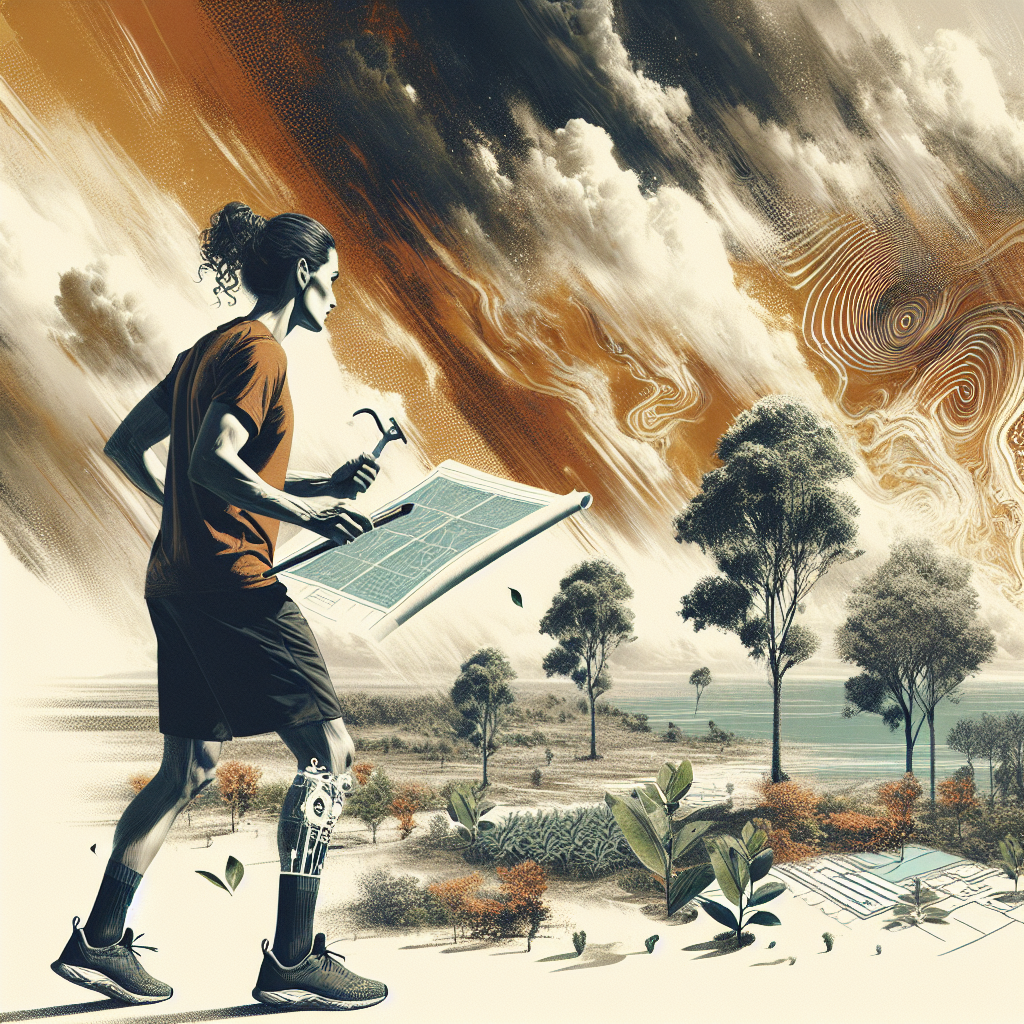
Why Climate Change Preparedness is Essential for Women
Hello, everyone! I’m Jade Tripp, and today we’re delving into a vital topic that affects us all, but especially women: climate change preparedness. While the conversation around climate change is growing, the specific ways it impacts women often get sidelined. Understanding these implications is crucial in empowering us to take action not just for ourselves but for our communities as well. Let’s explore why preparedness matters and how we can equip ourselves for the challenges that lie ahead.
Understanding the Impact of Climate Change on Women
The effects of climate change are already visible—rising temperatures, unpredictable weather patterns, and increasing natural disasters. But did you know that women, particularly in developing countries, are disproportionately affected by these changes? According to a report by the United Nations, women often bear the brunt of climate change effects. This reality is particularly poignant in areas dependent on agriculture, where women make up nearly half of the workforce.
Examples of Vulnerable Situations
Take, for instance, the devastating floods in Bangladesh. Women often find themselves at greater risk during such events, managing household responsibilities while trying to secure food and safety for their families. In situations of crisis, they may lack access to resources, medical aid, or even basic safety measures. Strong preparedness can turn the tide in these scenarios.
In more developed countries, we’re witnessing changes in economic stability. Women are often employed in industries greatly affected by climate fluctuations, such as agriculture and hospitality. For example, look at the recent hurricanes affecting the Gulf Coast of the U.S. Many small business owners, particularly women who own local restaurants or shops, faced devastating losses. Without proper planning and resources, recovery can take longer, leading to financial instability.
The Importance of Preparedness
-
Enhancing Resilience: Preparedness builds resilience. By understanding potential climate risks—such as extreme weather or food shortages—we can take proactive steps to mitigate risks. This means not only knowing how to secure your home but also understanding your community’s resources, such as local shelters or food banks.
-
Creating Strong Networks: Women tend to be natural networkers. We hold the power to create support systems. Whether it’s sharing resources, organizing community preparedness workshops, or simply staying in touch with neighbors, networks can provide critical support during a crisis.
-
Empowerment Through Education: Knowledge is power! Educating ourselves about climate change can lead to better decision-making. For instance, workshops or classes on gardening and food preservation can help women minimize reliance on supply chains, making them more self-sufficient.
- Advocacy and Leadership: Women have been at the forefront of many environmental movements. Just look at Greta Thunberg or indigenous leaders like Winona LaDuke. We must also take a stand by advocating for policy changes that promote sustainability and equitable resource management.
Practical Steps for Climate Change Preparedness
Here are some actionable steps you can take to prepare:
Build a Personal Emergency Plan
-
Assess Risks: Identify the climate-related risks specific to your area, whether floods, wildfires, or heatwaves.
-
Create an Emergency Kit: Include essentials like water, non-perishable food, medications, a flashlight, and first-aid supplies. Consider unique needs like baby supplies or pet care items.
- Develop Communication Plans: Ensure all family members know how to reach each other and have a designated meeting spot in case of evacuation.
Community Involvement
-
Join Local Preparedness Groups: Many areas have local groups focused on emergency preparedness. Engaging with them can provide valuable insights and resources.
- Volunteer: Get involved with local organizations focused on climate action. This allows you to network, learn, and contribute to community resilience efforts.
Sustainable Practices
-
Gardening: Start a small garden. Not only does this provide food security, but it also fosters a sense of community when you share your harvest with neighbors.
-
Water Conservation: Simple practices like rainwater harvesting can make a significant difference in times of drought.
- Learn About Renewable Energy: Consider how you can incorporate renewable energy solutions into your home, such as solar panels or wind turbines. Many communities have grants or incentives for these installations.
Conclusion
Climate change is a pressing issue that requires our immediate attention, especially as women. Our roles as caretakers and nurturers put us in a unique position to influence change and preparedness in our communities. By taking proactive steps and embracing education, we can mitigate vulnerabilities and instill resilience in ourselves and those around us.
Let’s empower one another, create networks of support, and face these challenges together. We are stronger when we stand united, and our preparedness today will pave the way for a safer tomorrow. If you have questions or would like further resources, feel free to reach out. Together, we can make a difference!
Stay safe and prepared,
Jade Tripp



Womens Preparedness
From Gardens to Mentorship Programs: The Impact of Community-Driven Self-Help Initiatives

Hello everyone! I’m Jade Tripp, and I’m so excited to share with you today the incredible impact that community-driven self-help initiatives can have on women’s self-defense, personal protection, and overall empowerment. These initiatives not only foster community ties but also empower women to take control of their safety and well-being. Whether it’s through establishing a community garden or stepping into a mentorship program, the possibilities are endless.
The Power of Community Gardens
Let’s start with something that might seem simple, but its implications are vast: community gardens. In recent years, urban spaces have seen a rise in community garden initiatives. These gardens serve as much more than a source of fresh produce; they are a hub for social interaction and empowerment.
Take the Garden Organization for Women (GOW) in Atlanta, Georgia. This initiative brought together women from various backgrounds to cultivate not only vegetables but also friendships and support networks. By learning gardening skills, these women have gained not just a green thumb but also the confidence to advocate for their safety in their neighborhoods. When women come together in a safe environment, they start to share resources, strategies, and experiences, fostering a strong community where they feel secure.
Through cooperation in gardening, participants develop problem-solving skills, teamwork, and resilience. For instance, the GOW women didn’t just harvest food; they also learned self-defense techniques from one another, integrating safety into their gardening meetups. This unique blend of physical wellness and collective safety enables women to be proactive in preparing for life’s uncertainties.
Mentorship Programs: Cultivating Self-Defense Knowledge
Another powerful community-driven initiative is mentorship programs specifically designed for women. Programs like the Women’s Self-Defense Network (WSDN) in New York City aim to connect seasoned self-defense instructors with women who seek empowerment through knowledge and skills.
Imagine this: a 22-year-old woman, Lisa, who’s in her final year at college and feels anxious commuting home late at night. Through the WSDN, she pairs with a mentor—a retired police officer named Sarah. Sarah not only teaches Lisa practical self-defense techniques but also helps her build confidence in navigating her surroundings.
Mentorship programs like this create a ripple effect. Lisa learns that her own experiences and fears resonate with others; in turn, she’s inspired to mentor younger women at her college. They hold workshops where they discuss self-defense tactics, emergency preparedness, and personal safety strategies. This way, mentorship is not a one-way street but a circular network of growth and empowerment.
Community Events: Bringing Awareness to Personal Safety
Beyond gardens and mentorships, community events serve as vital platforms for spreading awareness about personal safety. Organizations like Safe Streets, based in Chicago, routinely host events that bring women together for workshops, discussions, and hands-on training sessions. These gatherings allow for communal learning and sharing of experiences—from understanding the local crime statistics to discussing how to effectively use everyday items for self-defense.
Kathleen, a participant in one of these workshops, shared how attending helped her feel more aware of her surroundings. Just the other day, while waiting for her bus, she noticed a man acting suspiciously. Thanks to the strategies she learned, she felt empowered to move to a well-lit area and reach out to someone nearby for support, ultimately preventing a potentially unsafe situation.
The Importance of Creating Safe Spaces
Establishing a sense of belonging is essential for community-driven initiatives. The Sisterhood Circles initiative, which operates in various cities, creates safe spaces for women to connect, share their struggles, and build resilience together. These circles often include discussions on personal safety, mental health, and self-care, allowing women to learn from both personal experiences and the experiences of others.
For example, during one such gathering, a woman named Amira shared her story of overcoming an abusive relationship. She spoke about how joining a Sisterhood Circle empowered her to reclaim her identity and agency. Her inspiring account motivated other women to speak up, share their own stories, and take steps toward drawing boundaries and enhancing their personal safety.
Encourage and Empower
Ladies, the most vital takeaway from all these community initiatives is that we are stronger together. No matter where you are in your journey, be it through gardening, mentorship, or community events, every step taken collectively creates a more secure and empowered environment for all women.
Getting Involved
I encourage you to explore what’s in your neighborhood! Are there local community gardens looking for volunteers? Consider joining or starting a mentorship program at your workplace or school. You might also look for community events focused on personal safety. If nothing exists in your area, why not start it? Together, we can cultivate a safer world for ourselves and future generations.
Remember, knowledge is power, and when women come together, the strength we generate can transform communities. So, step out, connect, and let’s make an impact, one garden and one mentorship at a time.
Stay safe and empowered,
Jade Tripp 🌼
Womens Preparedness
From Listening to Practice: Traditional Knowledge and Disaster Preparedness | HNPW 2025


“From Listening to Practice: Traditional Knowledge and Disaster preparedness” examines the intersection of local and traditional …
source
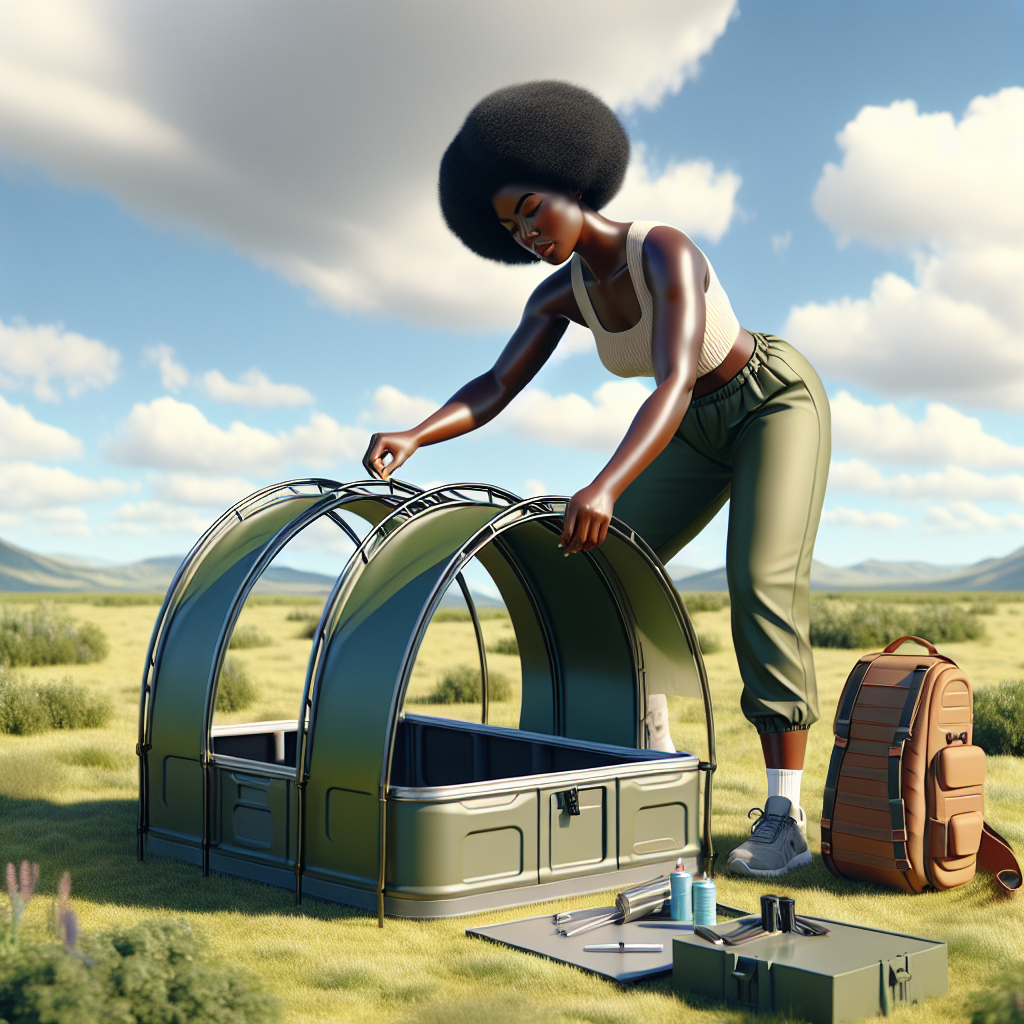
Portable Shelter Techniques: An Eco-Friendly Solution for Disaster Relief
Hello, wonderful women! This is Jade Tripp, and today I want to talk about something incredibly important — portable shelter techniques, especially in the context of disaster relief. Whether it’s a natural disaster, an emergency situation, or social unrest, being prepared with a reliable and eco-friendly solution can make all the difference. Together, let’s explore how we can empower ourselves and our communities through sustainable shelter options.
Understanding the Need
In recent years, we have witnessed devastating disasters across the globe. The wildfires raging in California, hurricanes devastating the Gulf Coast, and earthquakes shaking communities to their core have all highlighted our vulnerability to the forces of nature. While emergency services do their best, sometimes they can’t reach everyone in time. This is where understanding portable shelter techniques becomes crucial for self-reliance and community strength.
The Eco-Friendly Angle
As we think about disaster preparedness, it’s essential to consider the impact of our choices on the environment. Eco-friendly portable shelters not only provide protection; they also ensure that we are taking care of the planet. Using sustainable materials, we can create structures that minimize waste and leave a smaller carbon footprint.
Portable Shelter Techniques to Consider
1. Tents Made from Recycled Materials
One of the most accessible portable shelter solutions is tents made from recycled materials. Companies like Big Agnes and REI have developed eco-conscious camping gear, and they offer tents that incorporate recycled fabrics. These tents often come with additional durability and weather resistance, crucial for long-term use in disaster situations.
Real-Life Example: In the aftermath of Hurricane Maria in Puerto Rico, many families were displaced. Nonprofits collaborated with local businesses to provide eco-friendly tents made from recycled materials, allowing families to have temporary shelter while also supporting local economies.
2. Rooftop Gardens
If you have space and mobility for something a bit more original, consider creating a rooftop garden that can double as a shelter framework when needed. Lightweight, foldable frame designs can offer shade and create a livable space.
Inspirational Story: Women in urban areas, particularly in New York City, have embraced rooftop gardening not just for fresh produce but also as a means of creating small shelters post-disaster. These gardens create green public spaces that can serve as gathering points during emergencies.
3. Portable Tiny Homes
Tiny homes built on trailers might seem initially impractical, but they become excellent long-term solutions during disasters. Manufactured from sustainable materials, they are designed to be relocated easily.
Example: In communities hit by recurrent flooding in New Orleans, several organizations have encouraged the development of tiny home villages that provide secure housing while utilizing green technologies like solar panels and rainwater harvesting systems.
4. Emergency Bivvy Sacks
For those who might need a lightweight option, emergency bivvy sacks made from eco-friendly materials are compact and perfect for grabbing in a hurry. They offer excellent insulation and weather protection without taking up valuable space in your emergency kit.
Cautionary Note: Always remember, while bivvy bags are helpful for emergencies, they are not a replacement for more substantial shelter if you’re settled in an area long-term.
Preparing with Intention
It’s crucial to remember that preparation is not just about having the right equipment; it’s about mindset. Being aware of your community’s resources and connected to local initiatives can empower you. Whether it’s participating in workshops focused on DIY portable shelters or attending self-defense classes, taking proactive steps will help you feel more capable during emergencies.
Stay connected with fellow women in your community! Join local gardening, crafting, or self-defense groups focused on sustainability and preparedness — like Women on Guard, a self-defense group that encourages women to think collectively about safety and preparation.
Encouragement for Action
No one wants to think about disasters, but as we see from real-life cases, they happen. Equip yourselves with knowledge, practical skills, and a supportive network. Remember, building portable shelters doesn’t have to feel daunting. Empower yourself and inspire those around you by embracing eco-friendly choices that will strengthen not just your resilience but also that of your community.
Let’s stand together, continue learning, and prepare wisely. By prioritizing sustainable solutions, we can create a safer, healthier environment for future generations.
Stay strong, and let’s prepare for a brighter future together!
With lots of encouragement,
Jade Tripp
-
Womens Self Defense10 months ago
"Safety Net: The Benefits of Self-Defense Insurance"
-

 Womens Self Defense2 years ago
New Legislation Empowers Women to Defend Themselves
-

 Self Defense News2 years ago
She was convicted of killing her abusive boyfriend. Now a Maple Grove woman is home awaiting a new trial.
-
 Self Defense News2 years ago
Self-Defense for All: The new Gracie Jiu-Jitsu Pasadena is for everyone | Online Features
-

 Womens Self Defense1 year ago
Understanding State-by-State Variation in Self Defense Laws
-

 Womens Preparedness5 months ago
This New PostOffice Scheme For Women Unveiled With 7.5% Interest..! #shorts #short #postoffice
-

 Womens Firearms10 months ago
Episode 18: Interview with Tori Branum of Middle Georgia Female Firearms Training
-

 Womens Self Defense2 years ago
Top 5 Self-Defense Techniques Every Woman Should Know