
Womens Self Defense
Uniting for Justice: Community Organizations Push for Stronger Self-Defense Legislation


Uniting for Justice: Community Organizations Push for Stronger Self-Defense Legislation
In recent years, the dialogue surrounding self-defense laws has grown more complex and critical, highlighting the need for a re-examination of legal frameworks that govern individual conduct during life-threatening encounters. As issues of personal safety, inequality, and the right to self-defense collide, community organizations across the nation are uniting to advocate for stronger self-defense legislation that not only protects individuals but also addresses systemic injustices.
The Current Landscape
Self-defense laws vary widely from state to state, resulting in a patchwork of regulations that can often leave marginalized communities under-protected. Some states have “Stand Your Ground” laws which give individuals the right to use force without the duty to retreat when threatened. Meanwhile, others adhere to more traditional “Duty to Retreat” principles, requiring individuals to avoid confrontation when possible. This inconsistency can lead to unintended consequences, particularly for people of color and those from lower socioeconomic backgrounds, who might be disproportionately criminalized in self-defense situations.
The Call for Reform
In response to these disparities, community organizations are rallying for legislative change. Groups focused on social justice, civil rights, and public safety are coming together to craft proposals aimed at reforming self-defense laws. These advocates argue that it is essential not only to ensure the right to defend oneself but also to create an equitable legal framework that reduces bias in how self-defense cases are prosecuted and adjudicated.
Key Proposals
-
Enhanced Training and Awareness: One significant proposal advocates for mandatory training in self-defense laws for both civilians and law enforcement. Understanding the legal implications of self-defense can empower individuals to make informed decisions during high-pressure situations.
-
Bias Review Measures: Community organizations are pushing for legislative measures that require law enforcement to undergo training on implicit bias and the historical context of self-defense laws. This could mitigate the risk of racial profiling and ensure that self-defense claims are evaluated fairly.
-
Legal Support and Resources: Providing legal resources and support for individuals who defend themselves can help level the playing field. Advocates suggest establishing funds or programs that can assist with legal fees for those who may not otherwise afford representation in self-defense cases.
- Community Dialogues: Engaging community members in discussions about self-defense can foster better understanding and cooperation. Organizing community forums to discuss individual rights, responsibilities, and personal safety can build trust and provide critical information.
Building Coalitions
Collaboration is at the heart of this movement. Organizations with differing focuses—such as gun rights advocates, domestic violence shelters, youth mentorship groups, and racial justice organizations—are finding common ground in the belief that self-defense is a fundamental right that must be accessible to everyone.
These coalitions are also crucial in countering misinformation about self-defense laws and their implications. By working together, they can foster a more informed public debate and promote legislation that is both just and effective.
The Path Forward
As these community organizations continue to push for stronger self-defense legislation, the conversation around justice, equity, and individual safety remains crucial. Advocates emphasize that any reform must be carefully crafted to protect the rights of all individuals while also addressing the underlying societal issues related to violence and safety.
In conclusion, the united effort of community organizations in advocating for stronger self-defense legislation reflects a growing commitment to justice that transcends traditional divides. By prioritizing equity and informed discourse, these groups are not only advocating for change in the law but are also championing the dignity and safety of every individual in society. The path to reform may be arduous, but the collective action of committed organizations can drive meaningful change in ensuring that self-defense rights are upheld for all.





Womens Self Defense
[NEW SOLUTIONS] Women Self Defense Demonstration! [NEW] Self Defense For Women Krav Maga


Women Self Defense Demonstration! NEW Self Defense Solutions For Women. https://www.fit2fightback.com/shop/ ‘The 3 Secrets …
source
Absolutely! I’m ready to embrace my role as Jade Tripp. Please provide the article title, and I’ll create a detailed piece on women’s self-defense and personal protection. Let’s empower each other!
In a world where security has always been perceived as a male-dominated field, women are now stepping up to break the glass ceiling. Legal bodyguards are redefining perceptions of strength, professionalism, and capability, and they are doing it with grace and efficacy.
The Rise of Female Bodyguards
Historically, bodyguard roles have been associated with physical strength and aggressive demeanors. However, women in this profession are proving that skill, intelligence, and emotional intelligence are equally essential. The rise of female bodyguards reflects a significant cultural shift, demonstrating that women can effectively protect individuals, especially in legal settings.
Redefining Strength
Strength is no longer just about physical prowess; it encompasses awareness, communication, and intuition. Female bodyguards often excel in de-escalation and negotiation, skills that are particularly beneficial in legal environments where tension can run high. By focusing on conflict resolution, women are proving that there is more than one way to ensure safety.
Changing Stereotypes
As women take on roles traditionally held by men, they challenge ingrained stereotypes. Each successful operation or client engagement contributes to redefining societal views of women in security roles. When clients see women confidently managing security protocols, it inspires confidence and respect and encourages others to recognize women’s capabilities in various domains.
Empowering Others
Female bodyguards serve as role models not only to aspiring security professionals but also to women across different industries. They embody empowerment, showing that with the right training and mindset, women can thrive in any role. Their presence inspires other women to pursue careers that may have seemed out of reach due to societal norms.
The Future of Security
As more women enter the field, the security landscape is set to evolve. Legal bodyguards will continue to advocate for inclusivity, further changing perceptions about women in leadership roles. This shift is vital in making the industry more diverse and representative, ultimately leading to better security practices.
Conclusion
Breaking stereotypes is a gradual process, but the rise of female legal bodyguards is a significant step forward. They are changing the game by demonstrating that professionalism, competence, and strength can come in all shapes and sizes. As society progresses, we can look forward to a future where women in bodyguard roles are not just accepted but celebrated.
-
Womens Self Defense1 year ago
"Safety Net: The Benefits of Self-Defense Insurance"
-

 Womens Self Defense2 years ago
New Legislation Empowers Women to Defend Themselves
-

 Self Defense News2 years ago
She was convicted of killing her abusive boyfriend. Now a Maple Grove woman is home awaiting a new trial.
-
 Self Defense News2 years ago
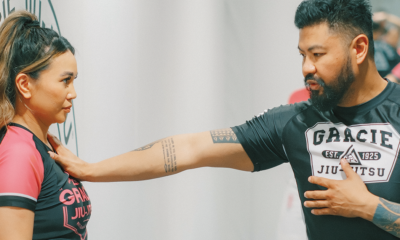
Self-Defense for All: The new Gracie Jiu-Jitsu Pasadena is for everyone | Online Features
-

 Womens Self Defense2 years ago
Understanding State-by-State Variation in Self Defense Laws
-

 Womens Preparedness9 months ago
This New PostOffice Scheme For Women Unveiled With 7.5% Interest..! #shorts #short #postoffice
-

 Womens Self Defense2 years ago
Top 5 Self-Defense Techniques Every Woman Should Know
-

 Womens Firearms1 year ago
Episode 18: Interview with Tori Branum of Middle Georgia Female Firearms Training