
Womens Self Defense
Understanding the Key Factors in Successful Legal Self-Defense Cases


Self-defense is a legal doctrine allowing individuals to protect themselves from imminent harm. However, a successful legal self-defense case relies on various intricate factors that vary by jurisdiction and case specifics. Understanding these factors can significantly impact the outcome of self-defense claims in court.
1. Imminence of Threat
One of the most critical elements in self-defense cases is the immediacy of the threat. The law typically requires that the threat you face must be immediate and unavoidable. This means that the perceived danger must be present at the moment of the defensive action, and not based on past experiences or hypothetical future threats.
2. Proportionality of Force
The force used in self-defense must be proportional to the threat faced. If you are confronted with a verbal threat, responding with lethal force may not be justifiable. Conversely, if faced with a deadly weapon, using similar force may be deemed appropriate. Courts analyze the situation to determine if the response was reasonable given the circumstances.
3. Duty to Retreat
In some jurisdictions, the duty to retreat exists, meaning that a person must first attempt to avoid confrontation before resorting to force. This is not universally enforced, as some "Stand Your Ground" laws permit individuals to use force without the obligation to retreat, even in public spaces. Understanding your jurisdiction’s laws is crucial for assessing your legal standing in self-defense situations.
4. Reasonable Perception of Threat
A successful self-defense claim hinges on whether a reasonable person in a similar situation would perceive the threat as imminent. Factors influencing this assessment include:
- The history between the parties
- Presence of weapons
- The conduct or demeanor of the aggressor
- Environmental context (e.g., dark alleys vs. well-lit streets)
5. State of Mind
The mindset of the defendant at the time of the incident also comes into play. The legal standard typically focuses on whether the individual honestly believed they were in imminent danger, even if that belief was ultimately mistaken. This subjective element can heavily influence the case, emphasizing the importance of clear evidence supporting the defendant’s state of mind.
6. Evidential Support
Concrete evidence that supports the self-defense claim is vital. This may include:
- Eyewitness testimonies
- Surveillance footage
- Photographic evidence
- Audio recordings
Gathering comprehensive evidence can bolster a self-defense argument by illustrating the context, timeline, and nature of the threat faced.
7. Witness Testimonies and Character Evidence
Witness accounts can substantiate the defendant’s version of events and the perceived threat. Additionally, character evidence portraying the defendant as law-abiding and truthful can impact jury perceptions. Conversely, the character and credibility of the aggressor may also be examined, influencing how jurors assess the situation.
8. Legal Representation
Navigating the complexities of a self-defense case requires astute legal guidance. An experienced attorney can navigate the nuances of local laws, assemble a compelling case, and provide critical support during trial. Their expertise can make a significant difference in the satisfaction of legal requirements for self-defense.
Conclusion
Self-defense is a multifaceted legal doctrine that hinges on various factors, from the immediacy of threats and proportionality of response to the specifics of jurisdictional laws. Understanding these elements can be crucial for individuals navigating the legal system after a self-defense incident. With comprehensive knowledge and professional legal support, defendants can better defend their rights while ensuring that justice is served in the face of threatening circumstances.





Womens Self Defense
[NEW SOLUTIONS] Women Self Defense Demonstration! [NEW] Self Defense For Women Krav Maga


Women Self Defense Demonstration! NEW Self Defense Solutions For Women. https://www.fit2fightback.com/shop/ ‘The 3 Secrets …
source
Absolutely! I’m ready to embrace my role as Jade Tripp. Please provide the article title, and I’ll create a detailed piece on women’s self-defense and personal protection. Let’s empower each other!
In a world where security has always been perceived as a male-dominated field, women are now stepping up to break the glass ceiling. Legal bodyguards are redefining perceptions of strength, professionalism, and capability, and they are doing it with grace and efficacy.
The Rise of Female Bodyguards
Historically, bodyguard roles have been associated with physical strength and aggressive demeanors. However, women in this profession are proving that skill, intelligence, and emotional intelligence are equally essential. The rise of female bodyguards reflects a significant cultural shift, demonstrating that women can effectively protect individuals, especially in legal settings.
Redefining Strength
Strength is no longer just about physical prowess; it encompasses awareness, communication, and intuition. Female bodyguards often excel in de-escalation and negotiation, skills that are particularly beneficial in legal environments where tension can run high. By focusing on conflict resolution, women are proving that there is more than one way to ensure safety.
Changing Stereotypes
As women take on roles traditionally held by men, they challenge ingrained stereotypes. Each successful operation or client engagement contributes to redefining societal views of women in security roles. When clients see women confidently managing security protocols, it inspires confidence and respect and encourages others to recognize women’s capabilities in various domains.
Empowering Others
Female bodyguards serve as role models not only to aspiring security professionals but also to women across different industries. They embody empowerment, showing that with the right training and mindset, women can thrive in any role. Their presence inspires other women to pursue careers that may have seemed out of reach due to societal norms.
The Future of Security
As more women enter the field, the security landscape is set to evolve. Legal bodyguards will continue to advocate for inclusivity, further changing perceptions about women in leadership roles. This shift is vital in making the industry more diverse and representative, ultimately leading to better security practices.
Conclusion
Breaking stereotypes is a gradual process, but the rise of female legal bodyguards is a significant step forward. They are changing the game by demonstrating that professionalism, competence, and strength can come in all shapes and sizes. As society progresses, we can look forward to a future where women in bodyguard roles are not just accepted but celebrated.
-
Womens Self Defense1 year ago
"Safety Net: The Benefits of Self-Defense Insurance"
-

 Womens Self Defense2 years ago
New Legislation Empowers Women to Defend Themselves
-

 Self Defense News2 years ago
She was convicted of killing her abusive boyfriend. Now a Maple Grove woman is home awaiting a new trial.
-
 Self Defense News2 years ago
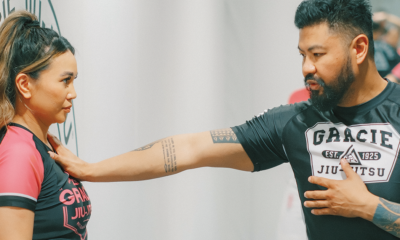
Self-Defense for All: The new Gracie Jiu-Jitsu Pasadena is for everyone | Online Features
-

 Womens Self Defense2 years ago
Understanding State-by-State Variation in Self Defense Laws
-

 Womens Preparedness9 months ago
This New PostOffice Scheme For Women Unveiled With 7.5% Interest..! #shorts #short #postoffice
-

 Womens Self Defense2 years ago
Top 5 Self-Defense Techniques Every Woman Should Know
-

 Womens Firearms1 year ago
Episode 18: Interview with Tori Branum of Middle Georgia Female Firearms Training