
Womens Preparedness
The Power of Positive Thinking: Transforming Your Mindset for Self-Defense


Hello, fierce women! I’m Jade Tripp, and today, I want to talk about something powerful that can revolutionize how we approach self-defense: the power of positive thinking. As women, while we prepare ourselves physically for situations that demand our awareness and skill, we must also cultivate a resilient and positive mindset. This isn’t just about feeling good; it’s about empowering ourselves to act decisively in moments of crisis. Let’s dive in!
Understanding the Connection Between Mindset and Self-Defense
A positive mindset can be your strongest ally in self-defense. It’s not uncommon to feel anxiety or fear when considering personal safety, but how we respond mentally to these feelings can profoundly affect our ability to defend ourselves.
Take the inspiring story of Sara D. from New York City. One evening, while leaving a local grocery store, she felt a sense of unease as a man loitered close by. Instead of succumbing to fear, Sara took a deep breath, activating her innate fight-or-flight response, but she did it with confidence. She shifted her thoughts from “What if something happens?” to “I’m prepared for anything.” Her mental fortitude allowed her to stay calm, assess the situation, and safely navigate her way home.
The Science Behind Positive Thinking
Psychologically, the effects of a positive mindset can be attributed to a phenomenon known as the “Growth Mindset,” developed by psychologist Carol Dweck. This concept reveals that when we believe our capabilities can expand with effort, we are more likely to take on challenging circumstances.
In self-defense, this can manifest in various ways:
-
Reduced Stress: Positive thinking helps to lower cortisol levels—the hormone related to stress. In high-pressure situations, a calm heart and mind can greatly improve your reaction time and decision-making skills.
-
Enhanced Problem-Solving: Positive thinkers tend to view obstacles as opportunities. This adaptability can make a significant difference in an emergency, especially if you’re required to think on your feet.
- Increased Resilience: Fostering a positive mindset builds emotional resilience. Think of the incredible Gina B. from Chicago, who turned her experience of being followed into a powerful advocacy campaign for women’s self-defense classes. Instead of being defined by fear, she chose empowerment.
Practical Techniques for Cultivating Positive Thinking
Now, let’s get practical! Here are some actionable techniques you can incorporate into your daily life to foster a positive mindset:
1. Visualization
Before you step out of the house, take a few moments to visualize yourself in a self-defense scenario, succeeding in your response. Picture yourself remaining calm, using your skills, and emerging safely. Visualization not only prepares your mind but also reduces anxiety.
2. Affirmations
Create strong, positive affirmations that resonate with you. Phrases like, "I am capable of defending myself," or "I trust my instincts," reinforce your confidence. Repeat these in front of the mirror during your morning routine.
3. Mindfulness Practices
Practicing mindfulness through meditation, deep breathing, or yoga can help you center yourself. For example, the wise and resourceful Patricia R. from Los Angeles integrates mindfulness into her self-defense routine by incorporating 10 minutes of meditation before her weekly classes. This practice helps her maintain focus and composure.
4. Surround Yourself with Positive Influences
Engage in communities, whether online or in person, where women support and uplift each other. Join forums and workshops that focus not just on techniques, but on creating a positive atmosphere—like the incredible "Ladies’ Self-Defense Collective" online group, where members share their stories and encourage each other.
5. Continuous Learning
Invest in yourself. The more knowledgeable you are about self-defense strategies, the stronger your mindset becomes. Attend classes, read books, and watch tutorials. The more equipped you feel, the more positive your outlook will be.
Putting It All Together
Imagine walking through a parking lot, feeling empowered and aware. You can be the confident woman who commands space with a positive outlook. Just like Julie M. from Atlanta, who took a self-defense class and bravely shared her experiences with friends, creating a ripple effect of empowerment among her circle.
Let’s be clear: Positive thinking doesn’t mean ignoring reality—it means facing it head-on with confidence and preparedness. Remember: our mindset shapes how we interact with the world. By fostering positivity, we not only empower ourselves but also pave the way for other women.
The next time you’re faced with a challenging situation, remember Sara, Gina, Patricia, and Julie. Embrace the power of positive thinking. You are resilient, capable, and worthy of feeling safe. Your mental preparation in self-defense is just as crucial as your physical training. So, go ahead, transform your mindset, and unleash your inner warrior!
Stay strong, stay safe, and remember: you are never alone on this journey. We are here to lift each other up!



Womens Preparedness
From Gardens to Mentorship Programs: The Impact of Community-Driven Self-Help Initiatives

Hello everyone! I’m Jade Tripp, and I’m so excited to share with you today the incredible impact that community-driven self-help initiatives can have on women’s self-defense, personal protection, and overall empowerment. These initiatives not only foster community ties but also empower women to take control of their safety and well-being. Whether it’s through establishing a community garden or stepping into a mentorship program, the possibilities are endless.
The Power of Community Gardens
Let’s start with something that might seem simple, but its implications are vast: community gardens. In recent years, urban spaces have seen a rise in community garden initiatives. These gardens serve as much more than a source of fresh produce; they are a hub for social interaction and empowerment.
Take the Garden Organization for Women (GOW) in Atlanta, Georgia. This initiative brought together women from various backgrounds to cultivate not only vegetables but also friendships and support networks. By learning gardening skills, these women have gained not just a green thumb but also the confidence to advocate for their safety in their neighborhoods. When women come together in a safe environment, they start to share resources, strategies, and experiences, fostering a strong community where they feel secure.
Through cooperation in gardening, participants develop problem-solving skills, teamwork, and resilience. For instance, the GOW women didn’t just harvest food; they also learned self-defense techniques from one another, integrating safety into their gardening meetups. This unique blend of physical wellness and collective safety enables women to be proactive in preparing for life’s uncertainties.
Mentorship Programs: Cultivating Self-Defense Knowledge
Another powerful community-driven initiative is mentorship programs specifically designed for women. Programs like the Women’s Self-Defense Network (WSDN) in New York City aim to connect seasoned self-defense instructors with women who seek empowerment through knowledge and skills.
Imagine this: a 22-year-old woman, Lisa, who’s in her final year at college and feels anxious commuting home late at night. Through the WSDN, she pairs with a mentor—a retired police officer named Sarah. Sarah not only teaches Lisa practical self-defense techniques but also helps her build confidence in navigating her surroundings.
Mentorship programs like this create a ripple effect. Lisa learns that her own experiences and fears resonate with others; in turn, she’s inspired to mentor younger women at her college. They hold workshops where they discuss self-defense tactics, emergency preparedness, and personal safety strategies. This way, mentorship is not a one-way street but a circular network of growth and empowerment.
Community Events: Bringing Awareness to Personal Safety
Beyond gardens and mentorships, community events serve as vital platforms for spreading awareness about personal safety. Organizations like Safe Streets, based in Chicago, routinely host events that bring women together for workshops, discussions, and hands-on training sessions. These gatherings allow for communal learning and sharing of experiences—from understanding the local crime statistics to discussing how to effectively use everyday items for self-defense.
Kathleen, a participant in one of these workshops, shared how attending helped her feel more aware of her surroundings. Just the other day, while waiting for her bus, she noticed a man acting suspiciously. Thanks to the strategies she learned, she felt empowered to move to a well-lit area and reach out to someone nearby for support, ultimately preventing a potentially unsafe situation.
The Importance of Creating Safe Spaces
Establishing a sense of belonging is essential for community-driven initiatives. The Sisterhood Circles initiative, which operates in various cities, creates safe spaces for women to connect, share their struggles, and build resilience together. These circles often include discussions on personal safety, mental health, and self-care, allowing women to learn from both personal experiences and the experiences of others.
For example, during one such gathering, a woman named Amira shared her story of overcoming an abusive relationship. She spoke about how joining a Sisterhood Circle empowered her to reclaim her identity and agency. Her inspiring account motivated other women to speak up, share their own stories, and take steps toward drawing boundaries and enhancing their personal safety.
Encourage and Empower
Ladies, the most vital takeaway from all these community initiatives is that we are stronger together. No matter where you are in your journey, be it through gardening, mentorship, or community events, every step taken collectively creates a more secure and empowered environment for all women.
Getting Involved
I encourage you to explore what’s in your neighborhood! Are there local community gardens looking for volunteers? Consider joining or starting a mentorship program at your workplace or school. You might also look for community events focused on personal safety. If nothing exists in your area, why not start it? Together, we can cultivate a safer world for ourselves and future generations.
Remember, knowledge is power, and when women come together, the strength we generate can transform communities. So, step out, connect, and let’s make an impact, one garden and one mentorship at a time.
Stay safe and empowered,
Jade Tripp 🌼
Womens Preparedness
From Listening to Practice: Traditional Knowledge and Disaster Preparedness | HNPW 2025


“From Listening to Practice: Traditional Knowledge and Disaster preparedness” examines the intersection of local and traditional …
source
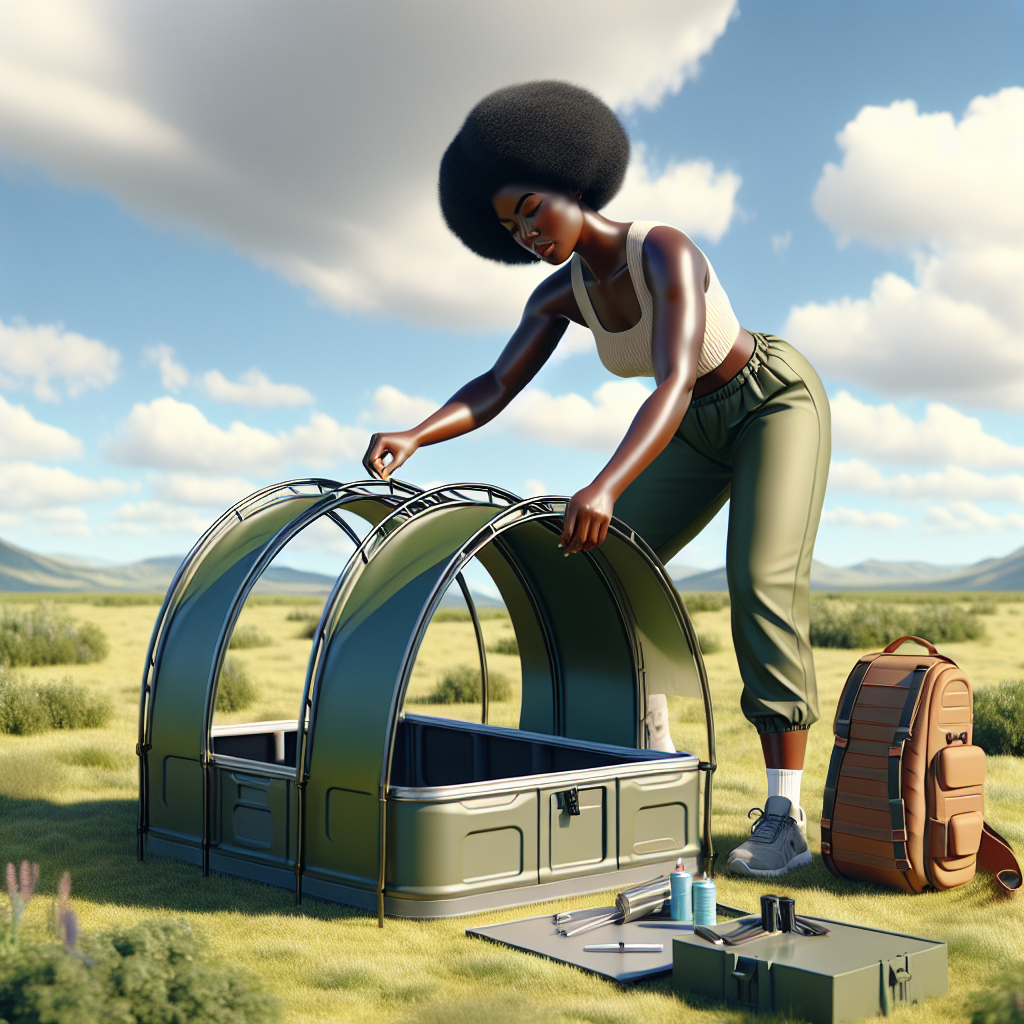
Portable Shelter Techniques: An Eco-Friendly Solution for Disaster Relief
Hello, wonderful women! This is Jade Tripp, and today I want to talk about something incredibly important — portable shelter techniques, especially in the context of disaster relief. Whether it’s a natural disaster, an emergency situation, or social unrest, being prepared with a reliable and eco-friendly solution can make all the difference. Together, let’s explore how we can empower ourselves and our communities through sustainable shelter options.
Understanding the Need
In recent years, we have witnessed devastating disasters across the globe. The wildfires raging in California, hurricanes devastating the Gulf Coast, and earthquakes shaking communities to their core have all highlighted our vulnerability to the forces of nature. While emergency services do their best, sometimes they can’t reach everyone in time. This is where understanding portable shelter techniques becomes crucial for self-reliance and community strength.
The Eco-Friendly Angle
As we think about disaster preparedness, it’s essential to consider the impact of our choices on the environment. Eco-friendly portable shelters not only provide protection; they also ensure that we are taking care of the planet. Using sustainable materials, we can create structures that minimize waste and leave a smaller carbon footprint.
Portable Shelter Techniques to Consider
1. Tents Made from Recycled Materials
One of the most accessible portable shelter solutions is tents made from recycled materials. Companies like Big Agnes and REI have developed eco-conscious camping gear, and they offer tents that incorporate recycled fabrics. These tents often come with additional durability and weather resistance, crucial for long-term use in disaster situations.
Real-Life Example: In the aftermath of Hurricane Maria in Puerto Rico, many families were displaced. Nonprofits collaborated with local businesses to provide eco-friendly tents made from recycled materials, allowing families to have temporary shelter while also supporting local economies.
2. Rooftop Gardens
If you have space and mobility for something a bit more original, consider creating a rooftop garden that can double as a shelter framework when needed. Lightweight, foldable frame designs can offer shade and create a livable space.
Inspirational Story: Women in urban areas, particularly in New York City, have embraced rooftop gardening not just for fresh produce but also as a means of creating small shelters post-disaster. These gardens create green public spaces that can serve as gathering points during emergencies.
3. Portable Tiny Homes
Tiny homes built on trailers might seem initially impractical, but they become excellent long-term solutions during disasters. Manufactured from sustainable materials, they are designed to be relocated easily.
Example: In communities hit by recurrent flooding in New Orleans, several organizations have encouraged the development of tiny home villages that provide secure housing while utilizing green technologies like solar panels and rainwater harvesting systems.
4. Emergency Bivvy Sacks
For those who might need a lightweight option, emergency bivvy sacks made from eco-friendly materials are compact and perfect for grabbing in a hurry. They offer excellent insulation and weather protection without taking up valuable space in your emergency kit.
Cautionary Note: Always remember, while bivvy bags are helpful for emergencies, they are not a replacement for more substantial shelter if you’re settled in an area long-term.
Preparing with Intention
It’s crucial to remember that preparation is not just about having the right equipment; it’s about mindset. Being aware of your community’s resources and connected to local initiatives can empower you. Whether it’s participating in workshops focused on DIY portable shelters or attending self-defense classes, taking proactive steps will help you feel more capable during emergencies.
Stay connected with fellow women in your community! Join local gardening, crafting, or self-defense groups focused on sustainability and preparedness — like Women on Guard, a self-defense group that encourages women to think collectively about safety and preparation.
Encouragement for Action
No one wants to think about disasters, but as we see from real-life cases, they happen. Equip yourselves with knowledge, practical skills, and a supportive network. Remember, building portable shelters doesn’t have to feel daunting. Empower yourself and inspire those around you by embracing eco-friendly choices that will strengthen not just your resilience but also that of your community.
Let’s stand together, continue learning, and prepare wisely. By prioritizing sustainable solutions, we can create a safer, healthier environment for future generations.
Stay strong, and let’s prepare for a brighter future together!
With lots of encouragement,
Jade Tripp
-
Womens Self Defense10 months ago
"Safety Net: The Benefits of Self-Defense Insurance"
-

 Womens Self Defense2 years ago
New Legislation Empowers Women to Defend Themselves
-

 Self Defense News2 years ago
She was convicted of killing her abusive boyfriend. Now a Maple Grove woman is home awaiting a new trial.
-
 Self Defense News2 years ago
Self-Defense for All: The new Gracie Jiu-Jitsu Pasadena is for everyone | Online Features
-

 Womens Self Defense1 year ago
Understanding State-by-State Variation in Self Defense Laws
-

 Womens Preparedness5 months ago
This New PostOffice Scheme For Women Unveiled With 7.5% Interest..! #shorts #short #postoffice
-

 Womens Firearms10 months ago
Episode 18: Interview with Tori Branum of Middle Georgia Female Firearms Training
-

 Womens Self Defense2 years ago
Top 5 Self-Defense Techniques Every Woman Should Know