
Womens Preparedness
The Importance of Community Safety Nets in Times of Crisis

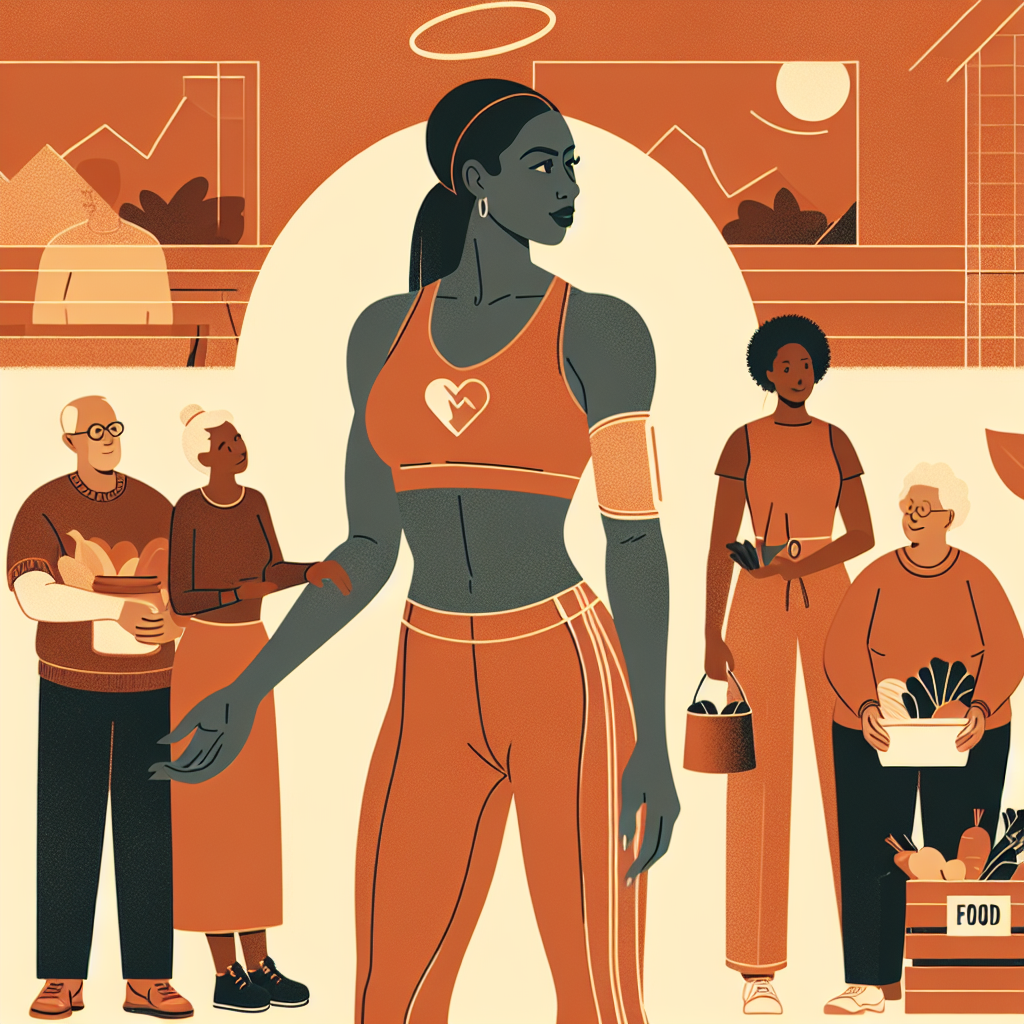
The Importance of Community Safety Nets in Times of Crisis
Hello, ladies! I’m Jade Tripp, and today, I want to talk about something that can make a world of difference for us – community safety nets during times of crisis. While we often think about individual preparedness, community support is just as crucial. Nothing can replace the strength found in numbers, especially when the going gets tough. Let’s dive into why community safety nets matter and how we can cultivate them in our lives.
What Are Community Safety Nets?
Simply put, community safety nets are informal supports that members of a community create for one another. These can include friends, neighbors, local organizations, or support groups that come together to offer help during difficult times. Whether it’s providing food during a natural disaster, emotional support after a traumatic event, or even small everyday acts of kindness, a strong community can be a lifesaver!
Real Stories from Around Us
Let’s reflect on some inspiring examples.
-
The Community Response to Hurricane Katrina: After this devastating hurricane hit New Orleans in 2005, the resilience of local communities was on full display. Neighbors banded together to create makeshift shelters, provide food, and offer support to those who lost everything. Women played pivotal roles in organizing community kitchens and outreach programs, ensuring their families and others had access to essential resources. This act of solidarity is a perfect illustration of the power of community in crisis situations.
-
Community Preparedness in Fire-Prone Areas: In many wildfire-prone regions like California, women have come together to form neighborhood watch groups focused on emergency preparedness. They conduct drills, share home safety tips, and set up communication networks to warn each other of impending danger. For instance, organizations like “Women’s Fire Auxiliary” empower local women to take leadership roles in ensuring community safety before, during, and after fire events.
- Friendship Networks during the COVID-19 Pandemic: During the pandemic, countless women reached out to friends and neighbors, especially those who were vulnerable or isolated. From organizing delivery services for groceries to hosting virtual support group meetings, these acts of kindness rejuvenated spirits and fostered a sense of belonging. It showed us that even in isolation, we are never truly alone when we have a supportive community.
Building a Community Safety Net
So how can we cultivate these safety nets in our own lives? Here are some actionable steps:
1. Start Small
Initiate a book club with your neighbors or organize a monthly potluck dinner. It’s all about building relationships. As we come together over shared interests, we naturally create an environment where people feel comfortable reaching out in times of need.
2. Share Resources
Create a community resource list. This could include local shelters, food banks, medical facilities, and even members’ personal skills—like first aid training or counseling services. Having this information shared can empower everyone in your community.
3. Community Training Sessions
Organize workshops centered around self-defense techniques, emergency preparedness, or first aid. Not only does this enhance individual skills, but it also boosts collective resilience. When we’re trained, we’re more capable of helping ourselves and others.
4. Utilize Social Media
Set up a private group on Facebook or a messaging app dedicated to local women. This can be a space to share concerns or request help, whether it’s needing someone to watch your kids or alerting each other about local safety issues. This technological tool can create a bridge that connects us, enabling faster response times in emergencies.
The Benefits of a Strong Community Safety Net
When we actively contribute to and participate in community safety nets, we reap various benefits:
-
Emotional Support: When faced with adversity, knowing you have a network of people who care about you can make all the difference in the world.
-
Resource Sharing: A community encourages pooling resources, making it easier for all members to access what they need.
-
Increased Awareness: A connected community keeps everyone informed of potential threats, whether that be crime, environmental hazards, or health dangers.
- Empowerment Through Action: Being part of a community that actively supports one another fosters a sense of empowerment. Women often come together to uplift each other, reminding us that we’re capable and strong.
Conclusion
In times of crisis, our individual preparedness strategies shine, but they truly flourish within the framework of a supportive community. As women, we possess the strength to create those supportive networks and nurture them. It’s time we come together, not just in moments of adversity but every day, building relationships grounded in trust and mutual respect.
Let’s make it our mission to ensure we’re all safe and supported. After all, a strong woman is a great asset, but a united community of strong women is unbeatable! Let’s go out there and build our safety nets together. 💪💖
Stay strong and stay safe, ladies!




NEW Parenting Episode | Pink Podcast ft. Amrutha K Francis | Toxic Parenting, Father Wound, Mental Health & More In this brand …
source
Hello, wonderful women! It’s Jade Tripp here, and today we’re diving deep into a critical but often overlooked aspect of personal safety and crisis management: the role of empathy in communication. Whether you’re dealing with a tense situation at work, navigating conflicts in your community, or even preparing for potential emergencies, developing strong communication strategies infused with empathy can be a game-changer.
The Essence of Empathy in Crisis
Imagine this scenario: You’re at a local park, enjoying a sunny afternoon with your friends. Suddenly, you overhear an argument escalating between two strangers. Your instincts kick in; you want to do something, but what? This is where effective communication, anchored in empathy, becomes vital. Empathy allows us to connect with others on a human level, making it easier to defuse tension and create a safe environment.
Why Empathy Matters
-
Building Trust: When people sense genuine understanding and compassion, they’re more likely to open up. You might recall the story of a woman who bravely intervened during a heated argument outside a coffee shop in Chicago. By approaching with calm and sincerity, she managed to mediate and walk the parties through their frustrations, restoring peace without escalating the situation.
-
De-escalation: Crisis situations can quickly spiral out of control. Empathy acts as a powerful tool for defusing tension. By truly listening and reflecting emotions back to the individuals involved, you create a bridge. Consider the story of a female police officer who, responding to a mental health crisis, took the time to connect with the individual instead of jumping straight into protocol. Her empathy saved lives and de-escalated a potentially dangerous situation.
-
Encouraging Collaboration: In emergencies, quick decision-making can be the difference between safety and chaos. A collaborative environment nurtured by empathy fosters teamwork. For instance, during a natural disaster, community members who communicate openly and empathetically are more likely to coordinate effective rescue and recovery efforts.
Practical Communication Strategies
As you prepare for various life scenarios—be it a workplace conflict, a personal crisis, or a community issue—keep these empathetic communication strategies in mind:
1. Active Listening
- Focus completely on the speaker, acknowledging their feelings. Use phrases like, “I hear you,” or “That sounds really challenging.” This makes the person feel seen and understood.
2. Nonverbal Cues
- Maintain open body language. Sometimes, a warm smile or nod can convey understanding more powerfully than words.
3. Share Relatable Experiences
- When appropriate, share your experiences to build connection. For example, if someone expresses fear during a crisis, narrating your own past struggles with safety can help lighten their burden.
4. Validate Emotions
- Let others know that their feelings are valid. For example, if someone feels anxious in a crowded place, saying, “It’s completely normal to feel overwhelmed. I often feel that way too,” normalizes their experience.
5. Suggest Solutions Gently
- When providing assistance, frame suggestions positively. Instead of saying, “You should do this,” try, “Have you considered this approach? It might really help.”
The Empowering Impact of Empathy
Remember, empathetic communication not only helps in crisis situations but also enhances our daily interactions. It builds a community of strong women ready to support and uplift each other. By fostering such connections, we empower ourselves and those around us.
Real-Life Application: In 2022, during the Atlanta protests, numerous activists emerged to keep peace in the streets. They practiced empathetic communication, listening to the concerns of protestors, local businesses, and law enforcement alike. Their ability to connect on a human level allowed for a more harmonious atmosphere, demonstrating the power of empathy in high-stakes environments.
Wrap-Up: You’re Not Alone
Ladies, the world can sometimes feel overwhelming, but utilizing empathetic communication can make all the difference during crises. By embracing empathy, we transform not only our interactions but also ourselves—cultivating a sense of readiness, peace, and connection.
Next time you find yourself in any challenging situation, remember: empathy is your ally. Reach out, listen, and guide with compassion. Together, we can face any crisis, uplift one another, and promote a safer space for all.
Stay strong and connected,
Jade Tripp
Womens Preparedness
Inclusive training and ocean literacy for marginalised groups in disaster preparedness


Disaster management and ocean literacy empower coastal communities, especially women, children, and the disabled, during …
source
-
Womens Self Defense1 year ago
"Safety Net: The Benefits of Self-Defense Insurance"
-

 Womens Self Defense2 years ago
New Legislation Empowers Women to Defend Themselves
-

 Self Defense News2 years ago
She was convicted of killing her abusive boyfriend. Now a Maple Grove woman is home awaiting a new trial.
-

 Self Defense News2 years ago
Self-Defense for All: The new Gracie Jiu-Jitsu Pasadena is for everyone | Online Features
-

 Womens Self Defense2 years ago
Understanding State-by-State Variation in Self Defense Laws
-

 Womens Preparedness9 months ago
This New PostOffice Scheme For Women Unveiled With 7.5% Interest..! #shorts #short #postoffice
-

 Womens Self Defense2 years ago
Top 5 Self-Defense Techniques Every Woman Should Know
-

 Womens Firearms1 year ago
Episode 18: Interview with Tori Branum of Middle Georgia Female Firearms Training