
Womens Firearms
Protecting Our Future: How to Educate Children on Firearms Safety

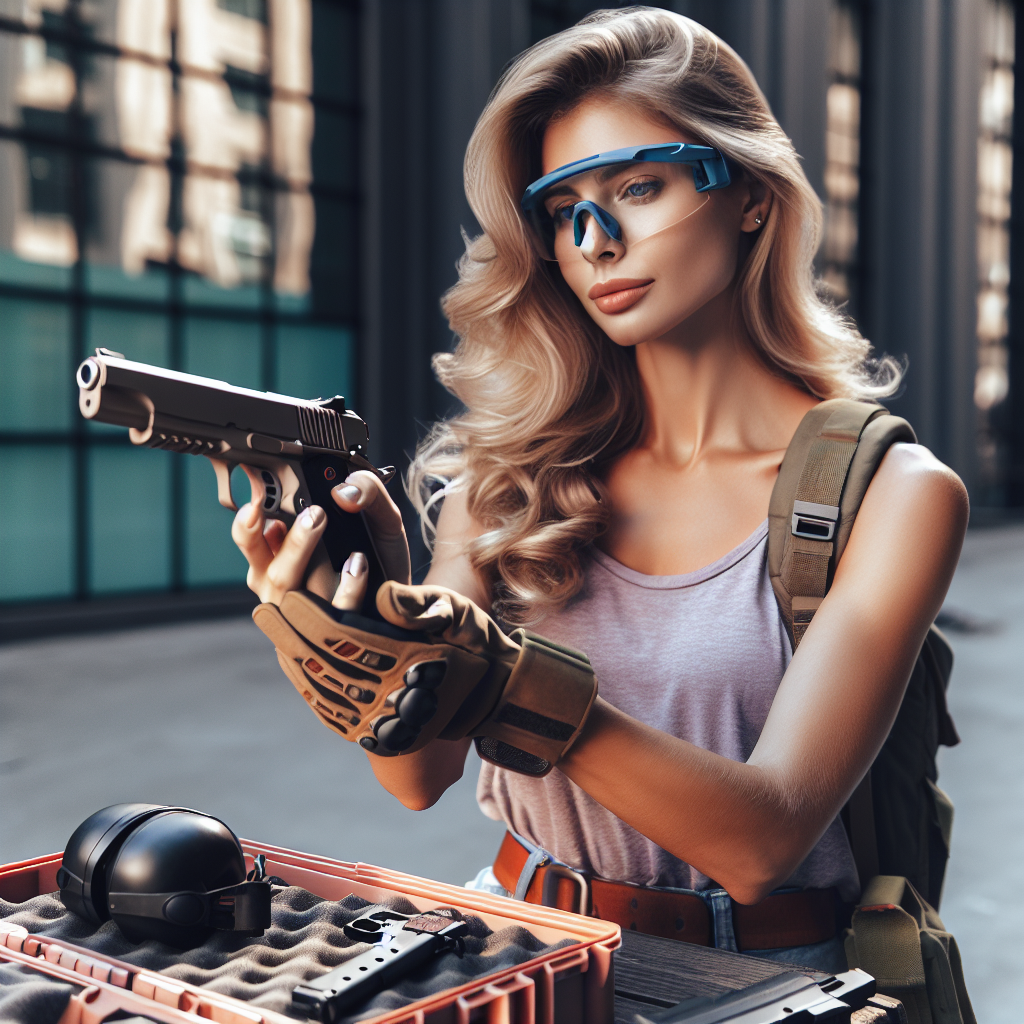
Hello, everyone! I’m Jade Tripp, and today we’re going to explore a vital topic: educating our children about firearms safety. It’s essential that we empower the next generation with knowledge, responsibility, and confidence around firearms. This isn’t just about teaching kids what to do if they encounter a gun; it’s about fostering a culture of safety and respect for these tools, so we can protect our communities together.
Understanding the Importance of Firearms Safety Education
First, let’s discuss why teaching our children about firearm safety is crucial. According to the Centers for Disease Control and Prevention (CDC), unintentional shootings are a significant cause of injury among children. Having open conversations about firearms can save lives. Just as we teach our kids to look both ways before crossing the street, we must also equip them with skills to navigate their environments safely—especially if there are firearms present.
Start Early, Be Age-Appropriate
1. Very Young Children (Ages 3-5)
At this age, it’s vital to lay the groundwork. Teach your kids basic concepts such as:
-
Safe Touch & Safety as a Concept: Explain that some objects, like toys and food, are safe, while others, like knives and guns, are not. Use simple language to discuss the importance of safety.
- The "Stop, Don’t Touch, and Tell an Adult" Rule: Reinforce that if they see something that makes them uncomfortable, they should stop where they are, not touch it, and tell a trusted adult.
2. Children (Ages 6-12)
Now that they understand the concept of safety, it’s time to introduce more detailed information:
-
Basic Firearm Knowledge: Teach them the parts of a gun in an age-appropriate way. Use illustrations or toys to explain what a firearm looks like and what it does.
- Role-Playing Scenarios: Create fun and safe scenarios where they can practice responses. Use puppets or dolls to act out a situation where they encounter a firearm and must decide what to do next.
For example, the NRA’s Eddie Eagle Safety Program uses animated characters to engage children and reinforce safety messages.
3. Tweens and Teens (Ages 13+)
Once they reach this age, your conversations can get more nuanced:
-
Responsible Firearm Handling: Discuss what to do if they find a firearm, emphasizing safety protocols. At this stage, introduce the idea of handling firearms responsibly by discussing the risks and responsibilities of ownership.
- Encouraging Critical Thinking: Engage them in discussions about current events or headlines involving firearms, helping them form their own opinions and understand the complexities involved.
Real-Life Examples
1. Community Programs
Many communities offer educational initiatives focused on firearm safety. The National Shooting Sports Foundation promotes programs like "Project ChildSafe", which distributes gun locks and safety education materials.
2. Successful Role Models
Look to success stories in your local area, like women who run self-defense workshops. For instance, in Houston, Tina McCarthy runs “Ladies Firearm Training,” where she emphasizes the importance of educating not just adults but also their children about responsible firearm use.
Creating a Safe Environment at Home
-
Secure Your Firearms: Always store firearms locked and unloaded, out of reach of children. Educate your children about the safe storage practices you follow.
-
Utilize Gun Safes and Locks: Consider investing in a biometric safe that’s easy for adults to access but secure from children.
- Regular Conversations: Keep the lines of communication open. Regular discussions about safety expectations and news stories can reinforce what you’ve taught them.
Conclusion: Empowerment Through Education
Teaching children about firearms safety is not just about the mechanics of guns; it’s about instilling values of responsibility, respect, and awareness. By opening these conversations within our families and communities, we reassure our children that it’s okay to ask questions and seek guidance.
Remember, it takes a village to raise a child, and we all have a role to play in keeping them safe. Let’s foster a proactive approach to firearms education together. After all, when we educate our children, we protect our future.
Stay strong, empowered, and safe, everyone!










Videos are for Documentary Purposes
Videos are for Educational purpose ONLY.
All Videos are filmed in a SAFE and CONTROLLED ENVIRONMENT…
Join this channel to get access to perks:
https://www.youtube.com/channel/UC_7z4nngWLd_mQ88Jmg0rgA/join
If you like what I do and would like to support the channel CashApp $yokgang.
Love YOU for LIFE! 💋💋💋🫶🏾
Send love mail to:
Yoki Sturrup
PoBox 472157
Miami Fl 33247 😘
❤️❤️❤️❤️❤️❤️❤️❤️❤️❤️❤️❤️❤️❤️❤️❤️❤️❤️❤️❤️❤️❤️❤️❤️❤️❤️❤️❤️❤️❤️❤️❤️
Videos are for Documentary Purposes
Videos are for Educational purpose ONLY.
All Videos are filmed in a SAFE and CONTROLLED ENVIRONMENT…
source

Hey there, amazing women! 🌟 I’m Jade Tripp, and I’m here to empower you with the knowledge and skills to feel safe and secure in your daily lives. Whether you’re a seasoned self-defense enthusiast or just starting out, it’s crucial to understand some key principles of personal safety, especially in today’s unpredictable world.
The Importance of Personal Defense
Personal defense isn’t just about physical confrontation; it’s about mindset, awareness, and intention. Here are some foundational tips to get you started:
1. Stay Aware of Your Surroundings
One of the simplest yet most effective ways to keep yourself safe is to cultivate a strong awareness of your environment. Here’s a practical example: when walking to your car, scan your surroundings. Are there any suspicious individuals loitering near your vehicle? Are your headphones in, distracting you from what’s happening around you? Being aware can help you avoid potential danger before it even arises.
Real-Life Inspiration: Take a cue from Sarah, a college student who used to walk to class with her headphones in. After a close call where she was followed, she decided to change her habits. Now, she approaches her daily commute with a keen eye and a heightened sense of awareness, making her feel empowered and in control.
2. Know Basic Self-Defense Moves
You don’t need to become a black belt to defend yourself. A few basic self-defense techniques can empower you immensely. Here are some to consider practicing:
- Palm Strike: A swift blow using the heel of your palm to strike your attacker’s nose can be incredibly effective.
- Knee Strike: If someone is too close, driving your knee into their groin can incapacitate them momentarily, giving you time to escape.
- Escape from Grabs: Learning how to break free from wrist or arm grabs can be life-saving. Practice these techniques in a controlled environment with a trusted friend or instructor.
Hands-On Learning: Look for local self-defense classes specifically for women. Organizations like R.A.D. (Rape Aggression Defense) provide courses designed to equip you with effective techniques and strategies to handle various scenarios.
3. Understanding Personal Firearms
For those interested in firearms as a means of personal defense, education is paramount. Here’s how to approach it safely and responsibly:
-
Education and Training: First and foremost, seek proper training. Enroll in classes offered by certified firearms instructors. Organizations like the NRA (National Rifle Association) and U.S. Concealed Carry Association (USCCA) have great resources.
-
Choose the Right Firearm: Thinking about purchasing a firearm? Look into compact pistols like the Glock 43 or Sig Sauer P365, which are popular choices among women for their ease of handling and concealment.
-
Safe Storage: Always prioritize safety. Invest in a quality lockbox or safe and ensure your firearm is stored securely, especially if you have children at home.
Real-Life Example: Lisa, a busy mom from Texas, found herself concerned about her home safety. After attending a local workshop on firearm safety and investing in training, she successfully navigated her fears and now carries a concealed firearm responsibly, feeling empowered to protect herself and her family.
4. Practice, Practice, Practice!
Like any skill, personal defense and firearms handling improve with practice. Join a local shooting range where you can train regularly, or find a self-defense class in your area. This consistent practice not only enhances your skills but also builds confidence.
Final Thoughts
The world can sometimes feel like an intimidating place, but you have the power to defend yourself effectively. From situational awareness to understanding firearms, the key is to educate yourself, practice regularly, and share this knowledge with other women in your life.
Remember, the goal isn’t just to learn how to react in dangerous situations but to live your life confidently, knowing you can take charge of your safety. As we empower ourselves, we can also uplift and encourage one another in our journeys toward security and strength. 💪
Stay safe, secure, and always remember: you’ve got this!
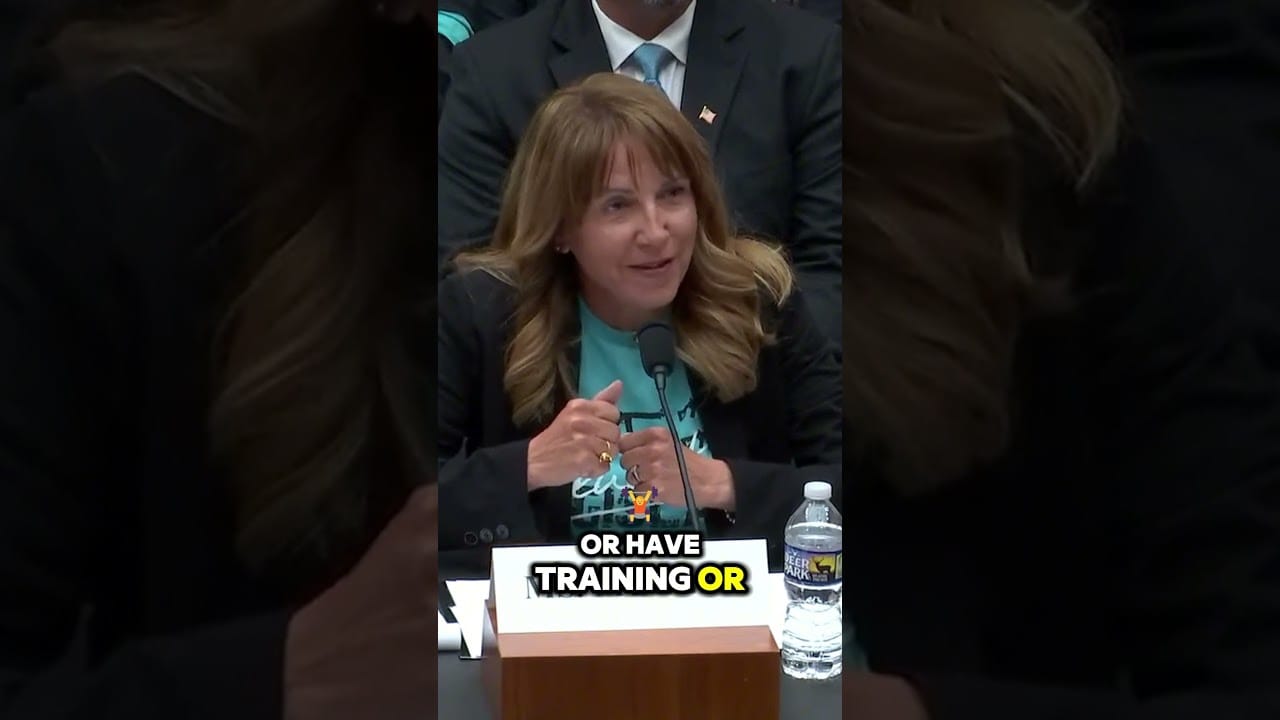
Pt 2 Congressman Barry Moore ask witness if being able to carry a firearm levels the field for women in dangerous situations.
source
-
Womens Self Defense1 year ago
"Safety Net: The Benefits of Self-Defense Insurance"
-

 Womens Self Defense2 years ago
New Legislation Empowers Women to Defend Themselves
-

 Self Defense News2 years ago
She was convicted of killing her abusive boyfriend. Now a Maple Grove woman is home awaiting a new trial.
-
 Self Defense News2 years ago
Self-Defense for All: The new Gracie Jiu-Jitsu Pasadena is for everyone | Online Features
-

 Womens Self Defense2 years ago
Understanding State-by-State Variation in Self Defense Laws
-

 Womens Preparedness10 months ago
This New PostOffice Scheme For Women Unveiled With 7.5% Interest..! #shorts #short #postoffice
-

 Womens Self Defense2 years ago
Top 5 Self-Defense Techniques Every Woman Should Know
-

 Womens Firearms1 year ago
Episode 18: Interview with Tori Branum of Middle Georgia Female Firearms Training