
Womens Self Defense
Navigating the World of Self-Defense: A Guide to Choosing the Right Tools

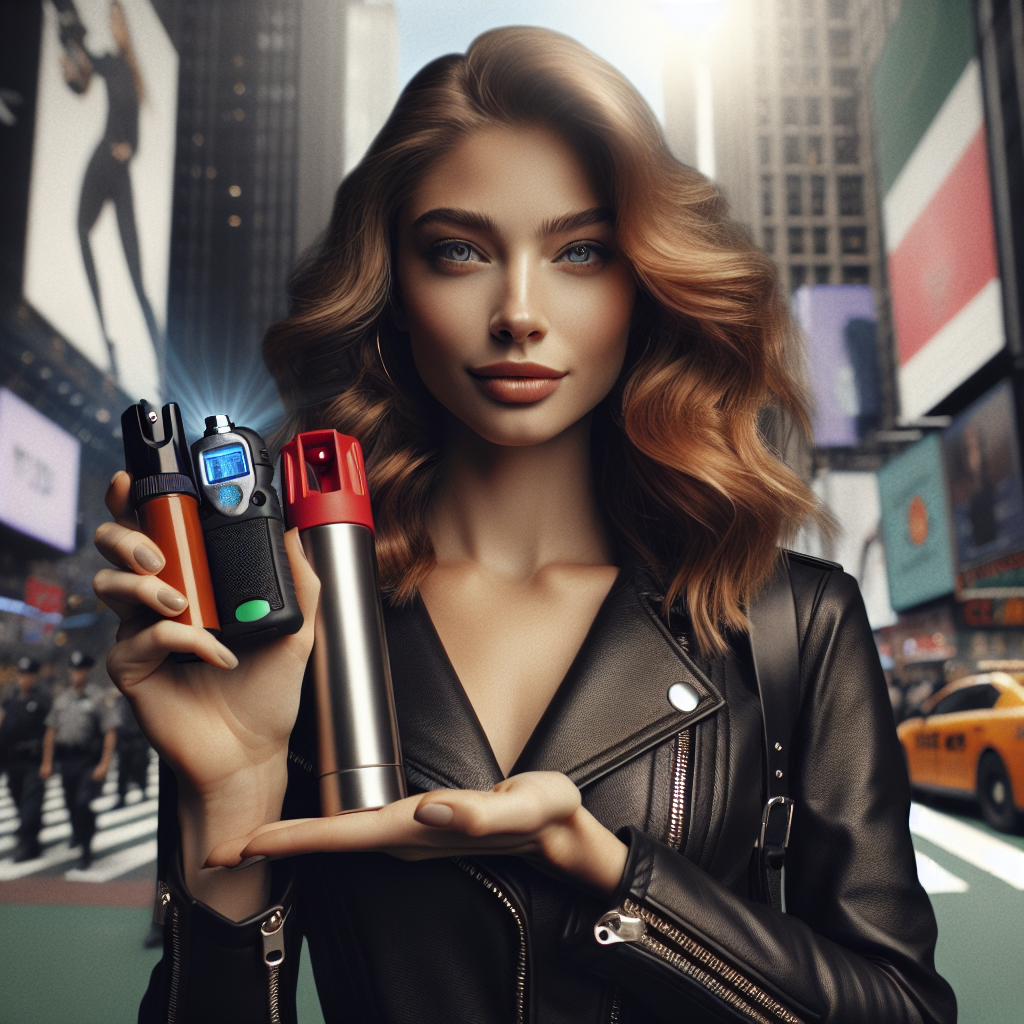
In an unpredictable world where personal safety is a growing concern, many individuals are exploring self-defense options. Whether you’re looking for a way to feel safer during your daily commute or seeking empowerment through knowledge and skills, understanding the array of self-defense tools available and how to choose them wisely is essential. This guide provides insights into different self-defense tools, their effectiveness, legal considerations, and tips for integration into your daily life.
Understanding Your Needs
Before diving into specific tools, it’s crucial to assess your personal circumstances, lifestyle, and comfort level. Consider the following factors:
-
Location: Where you live or regularly travel can significantly influence your choice. Urban environments may present different challenges than rural areas.
-
Legal Restrictions: Research local laws regarding self-defense. Some jurisdictions have strict regulations concerning the legality of certain weapons or tools, such as pepper spray or a personal alarm.
-
Personal Comfort Level: Choose a self-defense tool that aligns with your comfort and skill set. If you’re not comfortable with a firearm, a more accessible tool might be a better option.
-
Physical Capability: Assess your physical strengths and limitations. Certain tools may require more strength or agility than you possess.
Popular Self-Defense Tools
Here is a list of common self-defense tools, along with insights on their effectiveness and use:
1. Pepper Spray
Effectiveness: Pepper spray is a non-lethal option that can incapacitate an attacker temporarily. It can be effective in deterring threats, giving you valuable time to escape.
Usage Tips: Ensure you have practiced using it and know how to aim accurately. Carry it in an easily accessible location.
2. Personal Alarms
Effectiveness: These small devices emit loud sounds that can attract attention and potentially scare off an assailant.
Usage Tips: Consider models that can be easily activated. Practice using your alarm so you’re familiar with it in times of stress.
3. Self-Defense Keychains
Effectiveness: Tools like kubotans or self-defense keychains can be effective if you need to create distance with an attacker.
Usage Tips: Keep it attached to your keys for easy access, and consider taking a class to learn effective striking techniques.
4. Stun Guns and Tasers
Effectiveness: These devices can disable an attacker temporarily, giving you time to escape.
Usage Tips: Know the legal status of stun guns in your area, and practice the correct usage if you choose this option.
5. Personal Firearms
Effectiveness: For those who are trained and legally permitted, firearms can offer a significant level of protection.
Usage Tips: Invest time in training and regular practice to ensure proficiency and safety. Always understand the legal implications and responsibilities that come with firearm ownership.
Training and Skill Development
Just possessing a self-defense tool is not enough. Training is essential to effectively use any self-defense tool. Many options are available:
-
Self-Defense Classes: Look for local classes that teach practical self-defense methods, such as Krav Maga, Brazilian Jiu-Jitsu, or Muay Thai.
-
Workshops: Many community centers and organizations offer workshops focused on violence prevention and self-defense techniques.
-
Online Resources: Explore online tutorials and courses that focus on self-defense techniques and situational awareness.
Integrating Self-Defense into Daily Life
Creating a personal safety plan involves more than just choosing the right tools. Consider the following strategies:
-
Situational Awareness: Always be aware of your surroundings. Avoid distractions and assess potential risks in your environment.
-
Establish a Support System: Have a plan and inform friends or family of your routines. Regular check-ins can enhance your safety.
-
Regular Review: Revisit your self-defense tools and strategies regularly. Ensure they remain effective and appropriate for your changing lifestyle.
Conclusion
Navigating the world of self-defense requires a thoughtful approach centered around your unique circumstances. By understanding your needs, exploring various tools, investing in training, and cultivating awareness, you can empower yourself to feel safer in any situation. Remember, the ultimate goal of self-defense is not just to fight back; it’s about safety, prevention, and the confidence to navigate your world with assurance.




Womens Self Defense
[NEW SOLUTIONS] Women Self Defense Demonstration! [NEW] Self Defense For Women Krav Maga


Women Self Defense Demonstration! NEW Self Defense Solutions For Women. https://www.fit2fightback.com/shop/ ‘The 3 Secrets …
source
Absolutely! I’m ready to embrace my role as Jade Tripp. Please provide the article title, and I’ll create a detailed piece on women’s self-defense and personal protection. Let’s empower each other!
In a world where security has always been perceived as a male-dominated field, women are now stepping up to break the glass ceiling. Legal bodyguards are redefining perceptions of strength, professionalism, and capability, and they are doing it with grace and efficacy.
The Rise of Female Bodyguards
Historically, bodyguard roles have been associated with physical strength and aggressive demeanors. However, women in this profession are proving that skill, intelligence, and emotional intelligence are equally essential. The rise of female bodyguards reflects a significant cultural shift, demonstrating that women can effectively protect individuals, especially in legal settings.
Redefining Strength
Strength is no longer just about physical prowess; it encompasses awareness, communication, and intuition. Female bodyguards often excel in de-escalation and negotiation, skills that are particularly beneficial in legal environments where tension can run high. By focusing on conflict resolution, women are proving that there is more than one way to ensure safety.
Changing Stereotypes
As women take on roles traditionally held by men, they challenge ingrained stereotypes. Each successful operation or client engagement contributes to redefining societal views of women in security roles. When clients see women confidently managing security protocols, it inspires confidence and respect and encourages others to recognize women’s capabilities in various domains.
Empowering Others
Female bodyguards serve as role models not only to aspiring security professionals but also to women across different industries. They embody empowerment, showing that with the right training and mindset, women can thrive in any role. Their presence inspires other women to pursue careers that may have seemed out of reach due to societal norms.
The Future of Security
As more women enter the field, the security landscape is set to evolve. Legal bodyguards will continue to advocate for inclusivity, further changing perceptions about women in leadership roles. This shift is vital in making the industry more diverse and representative, ultimately leading to better security practices.
Conclusion
Breaking stereotypes is a gradual process, but the rise of female legal bodyguards is a significant step forward. They are changing the game by demonstrating that professionalism, competence, and strength can come in all shapes and sizes. As society progresses, we can look forward to a future where women in bodyguard roles are not just accepted but celebrated.
-
Womens Self Defense1 year ago
"Safety Net: The Benefits of Self-Defense Insurance"
-

 Womens Self Defense2 years ago
New Legislation Empowers Women to Defend Themselves
-

 Self Defense News2 years ago
She was convicted of killing her abusive boyfriend. Now a Maple Grove woman is home awaiting a new trial.
-
 Self Defense News2 years ago
Self-Defense for All: The new Gracie Jiu-Jitsu Pasadena is for everyone | Online Features
-

 Womens Self Defense2 years ago
Understanding State-by-State Variation in Self Defense Laws
-

 Womens Preparedness9 months ago
This New PostOffice Scheme For Women Unveiled With 7.5% Interest..! #shorts #short #postoffice
-

 Womens Self Defense2 years ago
Top 5 Self-Defense Techniques Every Woman Should Know
-

 Womens Firearms1 year ago
Episode 18: Interview with Tori Branum of Middle Georgia Female Firearms Training