
Womens Self Defense
Navigating the Grey Areas: Legal Challenges in Defense Preparedness


In an era characterized by rapid advancements in technology, evolving geopolitical landscapes, and increasing threats to national security, defense preparedness has emerged as a crucial priority for nations worldwide. However, this intricate realm is fraught with legal challenges that often exist in grey areas, making it essential for policymakers, military leaders, and legal experts to navigate these complexities strategically.
The Framework of Defense Preparedness
Defense preparedness encompasses a broad range of activities designed to ensure that a nation can effectively respond to potential threats. This includes military readiness, strategic planning, procurement of resources, intelligence gathering, and cybersecurity initiatives. Moreover, it involves collaboration with international allies and adherence to various treaties and agreements that govern military conduct and national defense.
International Law and Treaties
At the heart of defense preparedness are the legal frameworks established by international law. Treaties such as the United Nations Charter, the Geneva Conventions, and arms control agreements play a pivotal role in setting boundaries for military engagement. However, the interpretation and implementation of these laws can often lead to disputes.
-
Self-Defense vs. Aggression: The right of self-defense is recognized under Article 51 of the UN Charter, yet defining what constitutes an armed attack can be contentious. Nations may find themselves in grey areas when determining the legitimacy of preemptive strikes or responses to hybrid warfare tactics that blur the lines between military and civilian targets.
-
Humanitarian Law and Military Operations: The Geneva Conventions aim to protect civilian populations during conflicts. However, the rise of asymmetrical warfare and non-state actors has complicated these provisions. How can nations ensure the protection of civilians while effectively combating insurgent groups that exploit these legal protections?
Domestic Legal Considerations
In addition to international obligations, nations must also negotiate domestic legal standards for defense preparedness. This includes legislation regarding:
-
Intelligence Gathering: The expansion of surveillance technologies raises questions about privacy rights and the extent of government oversight. Balancing national security interests with civil liberties has become a significant legal challenge.
-
Cybersecurity Measures: As cyber threats proliferate, countries are grappling with how to enforce laws that govern cyber defense and offense. Lack of clear regulations can lead to accusations of unlawful conduct, especially when attributed to nation-state actors engaging in cyber warfare.
-
Military Engagement Protocols: Authorization for military action often requires careful legal scrutiny. Decisions made during crises can have long-lasting implications, and navigating the balance between expediency and legality is critical.
Ethical Considerations in Grey Areas
Beyond the legal framework, ethical considerations often emerge when navigating grey areas in defense preparedness. Issues such as the use of drones, targeted killings, and “collateral damage” in military operations raise moral questions that extend beyond legal boundaries. Public opinion and international scrutiny can further impact decisions, complicating the already intricate landscape of defense policy.
Conclusion: A Call for Clarity and Collaboration
Navigating the grey areas of legal challenges in defense preparedness requires a multifaceted approach that involves clarity in international and domestic laws, ongoing dialogue among stakeholders, and a commitment to ethical principles. Developing comprehensive legal frameworks that adapt to the changes in modern warfare is vital to uphold justice while ensuring national security.
Policymakers must work collaboratively with legal experts to create guidelines that not only comply with existing laws but also anticipate future challenges. As the world continues to evolve, so too must the laws that govern our defense strategies, ensuring they maintain relevance in a complex and uncertain global landscape. Only through proactive engagement and clear definitions can nations effectively navigate these murky territories and secure a safer future for all.





Womens Self Defense
[NEW SOLUTIONS] Women Self Defense Demonstration! [NEW] Self Defense For Women Krav Maga


Women Self Defense Demonstration! NEW Self Defense Solutions For Women. https://www.fit2fightback.com/shop/ ‘The 3 Secrets …
source
Absolutely! I’m ready to embrace my role as Jade Tripp. Please provide the article title, and I’ll create a detailed piece on women’s self-defense and personal protection. Let’s empower each other!
In a world where security has always been perceived as a male-dominated field, women are now stepping up to break the glass ceiling. Legal bodyguards are redefining perceptions of strength, professionalism, and capability, and they are doing it with grace and efficacy.
The Rise of Female Bodyguards
Historically, bodyguard roles have been associated with physical strength and aggressive demeanors. However, women in this profession are proving that skill, intelligence, and emotional intelligence are equally essential. The rise of female bodyguards reflects a significant cultural shift, demonstrating that women can effectively protect individuals, especially in legal settings.
Redefining Strength
Strength is no longer just about physical prowess; it encompasses awareness, communication, and intuition. Female bodyguards often excel in de-escalation and negotiation, skills that are particularly beneficial in legal environments where tension can run high. By focusing on conflict resolution, women are proving that there is more than one way to ensure safety.
Changing Stereotypes
As women take on roles traditionally held by men, they challenge ingrained stereotypes. Each successful operation or client engagement contributes to redefining societal views of women in security roles. When clients see women confidently managing security protocols, it inspires confidence and respect and encourages others to recognize women’s capabilities in various domains.
Empowering Others
Female bodyguards serve as role models not only to aspiring security professionals but also to women across different industries. They embody empowerment, showing that with the right training and mindset, women can thrive in any role. Their presence inspires other women to pursue careers that may have seemed out of reach due to societal norms.
The Future of Security
As more women enter the field, the security landscape is set to evolve. Legal bodyguards will continue to advocate for inclusivity, further changing perceptions about women in leadership roles. This shift is vital in making the industry more diverse and representative, ultimately leading to better security practices.
Conclusion
Breaking stereotypes is a gradual process, but the rise of female legal bodyguards is a significant step forward. They are changing the game by demonstrating that professionalism, competence, and strength can come in all shapes and sizes. As society progresses, we can look forward to a future where women in bodyguard roles are not just accepted but celebrated.
-
Womens Self Defense1 year ago
"Safety Net: The Benefits of Self-Defense Insurance"
-

 Womens Self Defense2 years ago
New Legislation Empowers Women to Defend Themselves
-

 Self Defense News2 years ago
She was convicted of killing her abusive boyfriend. Now a Maple Grove woman is home awaiting a new trial.
-
 Self Defense News2 years ago
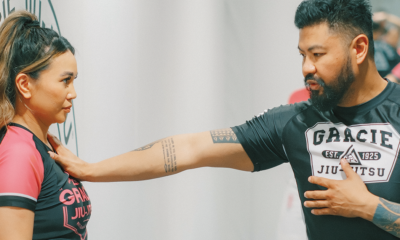
Self-Defense for All: The new Gracie Jiu-Jitsu Pasadena is for everyone | Online Features
-

 Womens Self Defense2 years ago
Understanding State-by-State Variation in Self Defense Laws
-

 Womens Preparedness9 months ago
This New PostOffice Scheme For Women Unveiled With 7.5% Interest..! #shorts #short #postoffice
-

 Womens Self Defense2 years ago
Top 5 Self-Defense Techniques Every Woman Should Know
-

 Womens Firearms1 year ago
Episode 18: Interview with Tori Branum of Middle Georgia Female Firearms Training