
Womens Self Defense
How Public Defense Measures Ensure Equal Justice for All


In any democratic society, the principle of equal justice under the law is a cornerstone that upholds the rights of individuals, regardless of their background or socioeconomic status. Public defense measures play a critical role in embodying this principle, ensuring that everyone—including those who cannot afford private legal counsel—has access to competent legal representation. This article explores the importance of public defense, the challenges it faces, and how it ultimately contributes to a more equitable legal system.
The Essential Role of Public Defenders
Public defenders serve as the legal backbone for those accused of crimes who lack the financial means to hire private attorneys. Their role is essential in safeguarding the rights of defendants, particularly in a system where the stakes are incredibly high—liberty, reputation, and futures hang in the balance. Public defenders provide legal representation in criminal cases, ensuring that each defendant receives a fair trial, a right guaranteed by the Sixth Amendment of the U.S. Constitution.
Promoting Fairness in the Legal System
-
Access to Justice: Public defense measures enable low-income individuals to navigate the complexities of the legal system. Without access to a lawyer, many defendants would struggle to understand the charges against them or the implications of their plea choices.
-
Quality Representation: Public defenders are trained legal professionals. They possess the knowledge and skills necessary to mount a defense, negotiate plea deals, and advocate for their clients’ best interests. Their expertise helps level the playing field in courtrooms often dominated by well-funded prosecutors.
- Impartiality: A public defender’s objective is to represent the client’s best interests without bias. This helps mitigate potential inequalities that might arise when individuals are pitted against the state, which often brings substantial resources to bear in its pursuit of convictions.
Challenges Faced by Public Defense Systems
Despite the vital role public defenders play, they often encounter significant challenges that can undermine their effectiveness:
-
Underfunding: Many public defense systems are severely underfunded, leading to high caseloads that jeopardize the quality of representation. A public defender might be assigned multiple cases at once, limiting the time and resources they can dedicate to each defendant.
-
Resource Constraints: Public defenders frequently lack the resources typically available to private attorneys, such as access to expert witnesses, investigators, and adequate support staff. This disparity can hinder their ability to build strong defenses.
- Systemic Issues: The adversarial nature of the justice system, combined with societal prejudices and systemic inequities, can further complicate the public defense landscape. Disparities in treatment based on race, gender, and socioeconomic status can influence outcomes, further necessitating strong public defense measures.
Advocacy for Reform
Recognizing the challenges faced by public defenders, various organizations and advocacy groups are pushing for reforms. These include:
-
Increased Funding: Advocates argue for enhanced funding for public defense services to ensure that defenders can manage reasonable caseloads and provide quality representation.
-
Policy Changes: Legislative measures aimed at strengthening public defense include creating standards for attorney-client ratios and mandating training for public defenders in areas such as mental health and trauma-informed legal representation.
- Public Awareness Campaigns: Educating the public about the importance of public defense can help garner support for reforms. When citizens understand that public defenders are essential for a fair judicial process, they may be more inclined to advocate for systemic changes.
The Path Forward: Ensuring Equal Justice for All
Public defense measures are not merely a legal obligation; they are a moral imperative. By ensuring that all individuals have access to legal representation, we enhance the integrity of the justice system as a whole. A well-functioning public defense system not only protects the rights of the accused but also holds the state accountable, fostering trust in the legal system.
In conclusion, the role of public defenders is fundamental to maintaining equal justice for all. As society continues to grapple with issues of inequality and access to justice, it is imperative that we support and invest in public defense measures—ultimately ensuring that the scales of justice tip towards fairness, irrespective of an individual’s economic circumstances. With adequate support and reform, public defense can truly embody the American ideal of justice for all.





Womens Self Defense
[NEW SOLUTIONS] Women Self Defense Demonstration! [NEW] Self Defense For Women Krav Maga


Women Self Defense Demonstration! NEW Self Defense Solutions For Women. https://www.fit2fightback.com/shop/ ‘The 3 Secrets …
source
Absolutely! I’m ready to embrace my role as Jade Tripp. Please provide the article title, and I’ll create a detailed piece on women’s self-defense and personal protection. Let’s empower each other!
In a world where security has always been perceived as a male-dominated field, women are now stepping up to break the glass ceiling. Legal bodyguards are redefining perceptions of strength, professionalism, and capability, and they are doing it with grace and efficacy.
The Rise of Female Bodyguards
Historically, bodyguard roles have been associated with physical strength and aggressive demeanors. However, women in this profession are proving that skill, intelligence, and emotional intelligence are equally essential. The rise of female bodyguards reflects a significant cultural shift, demonstrating that women can effectively protect individuals, especially in legal settings.
Redefining Strength
Strength is no longer just about physical prowess; it encompasses awareness, communication, and intuition. Female bodyguards often excel in de-escalation and negotiation, skills that are particularly beneficial in legal environments where tension can run high. By focusing on conflict resolution, women are proving that there is more than one way to ensure safety.
Changing Stereotypes
As women take on roles traditionally held by men, they challenge ingrained stereotypes. Each successful operation or client engagement contributes to redefining societal views of women in security roles. When clients see women confidently managing security protocols, it inspires confidence and respect and encourages others to recognize women’s capabilities in various domains.
Empowering Others
Female bodyguards serve as role models not only to aspiring security professionals but also to women across different industries. They embody empowerment, showing that with the right training and mindset, women can thrive in any role. Their presence inspires other women to pursue careers that may have seemed out of reach due to societal norms.
The Future of Security
As more women enter the field, the security landscape is set to evolve. Legal bodyguards will continue to advocate for inclusivity, further changing perceptions about women in leadership roles. This shift is vital in making the industry more diverse and representative, ultimately leading to better security practices.
Conclusion
Breaking stereotypes is a gradual process, but the rise of female legal bodyguards is a significant step forward. They are changing the game by demonstrating that professionalism, competence, and strength can come in all shapes and sizes. As society progresses, we can look forward to a future where women in bodyguard roles are not just accepted but celebrated.
-
Womens Self Defense1 year ago
"Safety Net: The Benefits of Self-Defense Insurance"
-

 Womens Self Defense2 years ago
New Legislation Empowers Women to Defend Themselves
-

 Self Defense News2 years ago
She was convicted of killing her abusive boyfriend. Now a Maple Grove woman is home awaiting a new trial.
-
 Self Defense News2 years ago
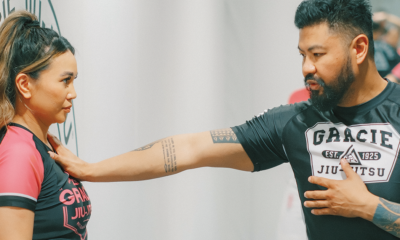
Self-Defense for All: The new Gracie Jiu-Jitsu Pasadena is for everyone | Online Features
-

 Womens Self Defense2 years ago
Understanding State-by-State Variation in Self Defense Laws
-

 Womens Preparedness9 months ago
This New PostOffice Scheme For Women Unveiled With 7.5% Interest..! #shorts #short #postoffice
-

 Womens Self Defense2 years ago
Top 5 Self-Defense Techniques Every Woman Should Know
-

 Womens Firearms1 year ago
Episode 18: Interview with Tori Branum of Middle Georgia Female Firearms Training