
Womens Self Defense
Empowerment Training: Building Confidence and Resilience


Title: The Top 5 Self-Defense Techniques Every Woman Should Know
Hello, lovely ladies! My name is Jade Tripp, and I am here to empower you with the knowledge and skills you need to protect yourself in any situation. As an expert in women’s self-defense and personal protection, I have seen firsthand the importance of being prepared and confident in your ability to defend yourself. In this article, I will be going over the top 5 self-defense techniques every woman should know.
1. The Palm Strike: This simple yet effective technique involves using the heel of your palm to strike an attacker’s nose, throat, or groin. By aiming for these vulnerable areas, you can incapacitate your attacker and create an opportunity to escape. Just remember to keep your arm straight and use your body weight to generate power.
Real-life example: Emma was walking home from work one day when a stranger approached her and tried to grab her. Remembering what she had learned in a self-defense class, Emma quickly performed a palm strike to her attacker’s throat, giving her enough time to scream for help and get away safely.
2. The Elbow Strike: Elbows are one of the strongest parts of your body, making them an excellent weapon in self-defense situations. By using a sharp elbow strike to an attacker’s face or ribs, you can create distance and incapacitate them long enough to escape to safety.
Real-life example: Sarah was cornered in a parking lot by a man demanding her purse. Without hesitation, she delivered a powerful elbow strike to his ribs, causing him to double over in pain and giving her the chance to run to a nearby store for help.
3. The Groin Kick: The groin is a sensitive area for both men and women, making it an effective target in self-defense. By delivering a swift kick to an attacker’s groin, you can quickly incapacitate them and create an opportunity to escape.
Real-life example: Jessica was out for a run when a stranger attempted to grab her from behind. Remembering her self-defense training, Jessica spun around and delivered a powerful kick to her attacker’s groin, allowing her to break free and run to safety.
4. The Wrist Grab Escape: In situations where an attacker grabs your wrist, it is crucial to know how to break free effectively. By twisting your arm in the direction of your attacker’s thumb and quickly pulling away, you can release their grip and create an opportunity to flee.
Real-life example: Taylor was waiting for the bus when a man grabbed her wrist and tried to drag her away. Using the wrist grab escape technique she had learned in a self-defense class, Taylor twisted her arm and pulled away, freeing herself from her attacker’s grasp and running to a nearby group of people for help.
5. The Verbal De-escalation: Sometimes, the best way to protect yourself is by avoiding physical confrontation altogether. By using assertive communication and setting clear boundaries, you can potentially diffuse a situation before it escalates into violence.
Real-life example: Maya was at a party when a drunk acquaintance started getting too aggressive. Instead of resorting to physical force, Maya calmly but firmly told him to back off and leave her alone. The man, realizing she would not be an easy target, backed away, and Maya was able to leave the party safely.
Remember, self-defense is not just about physical techniques; it is also about awareness, confidence, and empowerment. By arming yourself with knowledge and practicing these techniques regularly, you can increase your chances of staying safe in any situation. Stay strong, stay safe, and never underestimate the power of a woman who knows how to protect herself. You’ve got this!

Womens Self Defense
[NEW SOLUTIONS] Women Self Defense Demonstration! [NEW] Self Defense For Women Krav Maga


Women Self Defense Demonstration! NEW Self Defense Solutions For Women. https://www.fit2fightback.com/shop/ ‘The 3 Secrets …
source
Absolutely! I’m ready to embrace my role as Jade Tripp. Please provide the article title, and I’ll create a detailed piece on women’s self-defense and personal protection. Let’s empower each other!
In a world where security has always been perceived as a male-dominated field, women are now stepping up to break the glass ceiling. Legal bodyguards are redefining perceptions of strength, professionalism, and capability, and they are doing it with grace and efficacy.
The Rise of Female Bodyguards
Historically, bodyguard roles have been associated with physical strength and aggressive demeanors. However, women in this profession are proving that skill, intelligence, and emotional intelligence are equally essential. The rise of female bodyguards reflects a significant cultural shift, demonstrating that women can effectively protect individuals, especially in legal settings.
Redefining Strength
Strength is no longer just about physical prowess; it encompasses awareness, communication, and intuition. Female bodyguards often excel in de-escalation and negotiation, skills that are particularly beneficial in legal environments where tension can run high. By focusing on conflict resolution, women are proving that there is more than one way to ensure safety.
Changing Stereotypes
As women take on roles traditionally held by men, they challenge ingrained stereotypes. Each successful operation or client engagement contributes to redefining societal views of women in security roles. When clients see women confidently managing security protocols, it inspires confidence and respect and encourages others to recognize women’s capabilities in various domains.
Empowering Others
Female bodyguards serve as role models not only to aspiring security professionals but also to women across different industries. They embody empowerment, showing that with the right training and mindset, women can thrive in any role. Their presence inspires other women to pursue careers that may have seemed out of reach due to societal norms.
The Future of Security
As more women enter the field, the security landscape is set to evolve. Legal bodyguards will continue to advocate for inclusivity, further changing perceptions about women in leadership roles. This shift is vital in making the industry more diverse and representative, ultimately leading to better security practices.
Conclusion
Breaking stereotypes is a gradual process, but the rise of female legal bodyguards is a significant step forward. They are changing the game by demonstrating that professionalism, competence, and strength can come in all shapes and sizes. As society progresses, we can look forward to a future where women in bodyguard roles are not just accepted but celebrated.
-
Womens Self Defense1 year ago
"Safety Net: The Benefits of Self-Defense Insurance"
-

 Womens Self Defense2 years ago
New Legislation Empowers Women to Defend Themselves
-

 Self Defense News2 years ago
She was convicted of killing her abusive boyfriend. Now a Maple Grove woman is home awaiting a new trial.
-
 Self Defense News2 years ago
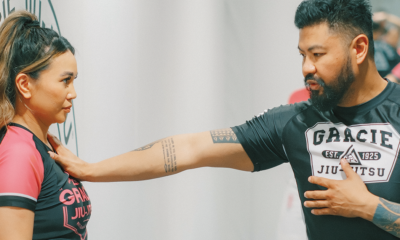
Self-Defense for All: The new Gracie Jiu-Jitsu Pasadena is for everyone | Online Features
-

 Womens Self Defense2 years ago
Understanding State-by-State Variation in Self Defense Laws
-

 Womens Preparedness9 months ago
This New PostOffice Scheme For Women Unveiled With 7.5% Interest..! #shorts #short #postoffice
-

 Womens Self Defense2 years ago
Top 5 Self-Defense Techniques Every Woman Should Know
-

 Womens Firearms1 year ago
Episode 18: Interview with Tori Branum of Middle Georgia Female Firearms Training