
Womens Self Defense
Empowering Women: Legal Outcomes of Self-Defense Cases


In an era where gender equality is a pivotal issue, the legal system’s stance on self-defense has significant implications for the empowerment of women. As societal norms evolve, so too do the interpretations of self-defense laws, particularly in cases involving female defendants. This article explores how legal outcomes in self-defense cases impact women’s rights, their perception in society, and the broader implications for gender equity.
Understanding Self-Defense
Self-defense laws vary across jurisdictions, but generally, they permit individuals to use reasonable force to protect themselves from imminent threats. In many cases, these laws were initially designed with a male perspective, often overlooking the complexities surrounding female experiences, especially regarding domestic violence and gender-based violence.
Historical Context
Traditionally, women in self-defense cases faced significant hurdles. Stereotypes portraying women as less competent fighters or overly emotional often affected courtroom outcomes. Historical precedents often trivialized women’s experiences with violence, leading to unjust rulings that perpetuated victim-blaming.
Shifting Perspectives
There has been a noticeable shift in legal outcomes and societal perceptions regarding women’s use of self-defense. Recent landmark cases have illustrated a growing recognition of the need to view self-defense through a gendered lens. Courts are increasingly acknowledging that women may face unique threats due to social structures and power dynamics.
Notable Cases
-
Domestic Violence Context: Cases such as State v. Norman (1991) highlight the plight of women who kill their abusers after prolonged periods of violence. The court ruled in favor of the defendant, emphasizing the psychological duress she faced, thus paving the way for more nuanced interpretations of self-defense related to domestic abuse.
-
Stand Your Ground Laws: The rise of “Stand Your Ground” laws in several states has significant implications for women. These laws allow individuals to use deadly force without the duty to retreat if they believe they are in immediate danger. Women who have faced extreme physical or sexual harassment with little recourse now have a legal framework that can support their claims for justifiable self-defense.
The Role of Advocacy Groups
Organizations advocating for women’s rights have been pivotal in reforming self-defense laws. They argue for the inclusion of expert testimony on the impact of domestic violence on a woman’s mental state and perception of threat. By bringing attention to psychological and sociocultural factors, these groups have helped shape legal narratives that resonate with juries and judges alike.
Legal Education and Awareness
Empowering women legally also involves education and awareness about their rights. Many women are unaware that they can legally defend themselves against aggressors, especially in situations involving domestic violence. Legal education initiatives that teach women about self-defense laws can equip them with knowledge that is empowering and life-saving.
Challenges Ahead
While progress has been made, challenges remain. The inconsistency in the application of self-defense laws across jurisdictions means that many women still face leniencies that can skew toward gender stereotypes. Furthermore, the societal stigma attached to women who resist or retaliate can still affect jury attitudes and, consequently, outcomes.
Conclusion
Empowering women through legal outcomes in self-defense cases is an ongoing journey. As society continues to grapple with issues of gender violence and inequality, the legal system must adapt to recognize the realities faced by women. Legal reforms, advocacy, and increased awareness will be crucial in ensuring that women can defend themselves against violence without fear of unjust repercussions. By fostering an equitable interpretation of self-defense laws, we can take significant strides toward a society where women are empowered to protect themselves and others without societal or judicial bias.





Womens Self Defense
[NEW SOLUTIONS] Women Self Defense Demonstration! [NEW] Self Defense For Women Krav Maga


Women Self Defense Demonstration! NEW Self Defense Solutions For Women. https://www.fit2fightback.com/shop/ ‘The 3 Secrets …
source
Absolutely! I’m ready to embrace my role as Jade Tripp. Please provide the article title, and I’ll create a detailed piece on women’s self-defense and personal protection. Let’s empower each other!
In a world where security has always been perceived as a male-dominated field, women are now stepping up to break the glass ceiling. Legal bodyguards are redefining perceptions of strength, professionalism, and capability, and they are doing it with grace and efficacy.
The Rise of Female Bodyguards
Historically, bodyguard roles have been associated with physical strength and aggressive demeanors. However, women in this profession are proving that skill, intelligence, and emotional intelligence are equally essential. The rise of female bodyguards reflects a significant cultural shift, demonstrating that women can effectively protect individuals, especially in legal settings.
Redefining Strength
Strength is no longer just about physical prowess; it encompasses awareness, communication, and intuition. Female bodyguards often excel in de-escalation and negotiation, skills that are particularly beneficial in legal environments where tension can run high. By focusing on conflict resolution, women are proving that there is more than one way to ensure safety.
Changing Stereotypes
As women take on roles traditionally held by men, they challenge ingrained stereotypes. Each successful operation or client engagement contributes to redefining societal views of women in security roles. When clients see women confidently managing security protocols, it inspires confidence and respect and encourages others to recognize women’s capabilities in various domains.
Empowering Others
Female bodyguards serve as role models not only to aspiring security professionals but also to women across different industries. They embody empowerment, showing that with the right training and mindset, women can thrive in any role. Their presence inspires other women to pursue careers that may have seemed out of reach due to societal norms.
The Future of Security
As more women enter the field, the security landscape is set to evolve. Legal bodyguards will continue to advocate for inclusivity, further changing perceptions about women in leadership roles. This shift is vital in making the industry more diverse and representative, ultimately leading to better security practices.
Conclusion
Breaking stereotypes is a gradual process, but the rise of female legal bodyguards is a significant step forward. They are changing the game by demonstrating that professionalism, competence, and strength can come in all shapes and sizes. As society progresses, we can look forward to a future where women in bodyguard roles are not just accepted but celebrated.
-
Womens Self Defense1 year ago
"Safety Net: The Benefits of Self-Defense Insurance"
-

 Womens Self Defense2 years ago
New Legislation Empowers Women to Defend Themselves
-

 Self Defense News2 years ago
She was convicted of killing her abusive boyfriend. Now a Maple Grove woman is home awaiting a new trial.
-
 Self Defense News2 years ago
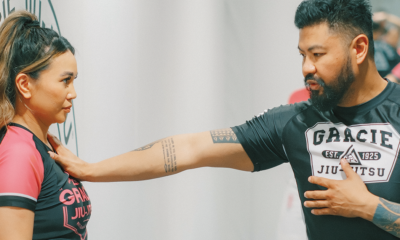
Self-Defense for All: The new Gracie Jiu-Jitsu Pasadena is for everyone | Online Features
-

 Womens Self Defense2 years ago
Understanding State-by-State Variation in Self Defense Laws
-

 Womens Preparedness9 months ago
This New PostOffice Scheme For Women Unveiled With 7.5% Interest..! #shorts #short #postoffice
-

 Womens Self Defense2 years ago
Top 5 Self-Defense Techniques Every Woman Should Know
-

 Womens Firearms1 year ago
Episode 18: Interview with Tori Branum of Middle Georgia Female Firearms Training