
Womens Self Defense
Championing Justice: How Legal Advocacy is Changing the Landscape for Self-Protected Women


In recent years, the discourse surrounding women’s rights has evolved dramatically, particularly as it relates to self-protection and legal advocacy. More women are bravely speaking out about their experiences with violence and discrimination, sparking a movement that seeks not only to hold perpetrators accountable but also to reshape legal frameworks to better protect women’s rights. This article dives into how legal advocacy is championing justice for self-protected women, changing the landscape of legal protections and empowering countless individuals.
The Historical Context of Women’s Legal Rights
Historically, women’s rights have been systematically overlooked, with legal systems often favoring patriarchal structures and norms. Domestic violence, sexual assault, and workplace harassment were largely marginalized, leading to a culture of silence and shame. Women often found themselves in a quagmire of inadequate legal protections—if any existed at all.
In recent decades, however, there has been a global shift toward recognizing the importance of legal protections for women. Landmark legislation, such as the Violence Against Women Act (VAWA) in the United States, has played a critical role in laying the groundwork for more robust legal frameworks. Legal advocacy organizations have been pivotal in pushing for these changes, ensuring that women’s rights are enshrined in law rather than relegated to the shadows.
The Role of Legal Advocacy
At the heart of the transformation are legal advocacy organizations that work tirelessly to empower women. These organizations offer a range of services, including legal representation, education, and support, ensuring that women are aware of their rights and have the resources they need to navigate the legal system.
Access to Justice
Legal advocacy provides women with pathways to access justice that were previously obstructed. Women who have experienced violence or abuse often face significant barriers when seeking legal recourse—these include financial constraints, lack of legal knowledge, and societal stigma. Advocacy groups work to dismantle these barriers by providing pro bono legal services, educational workshops, and resources that demystify the legal process.
Shaping Policy
These organizations do more than assist individual cases; they are also critical in shaping broader policies that affect women. Many legal advocates engage in lobbying efforts to influence legislation, pushing for laws that specifically protect self-protected women. By spotlighting issues such as domestic violence, sexual assault, and workplace harassment, these advocates ensure that women’s experiences are reflected in the law.
The Impact of Testimonies and Stories
Legal advocacy not only supports women through legal means; it also draws strength from the testimonies of survivors. Each story adds a layer of urgency to the movement. By sharing experiences, women highlight systemic injustices and encourage others to seek help. This collective storytelling not only validates individual experiences but also reinforces the need for comprehensive legal reforms.
Changing Public Perception
As stories move into the public sphere, they can shift societal perceptions of women and violence. Public awareness campaigns, often spearheaded by legal advocacy organizations, challenge the stigma surrounding victims of violence. This cultural shift is vital not just for personal healing but also for fostering an environment where survivors feel supported in seeking justice.
Empowerment through Education
Knowledge is power, and many legal advocacy organizations prioritize education as a means of empowerment. Workshops that cover topics such as understanding one’s rights, how to report abuse, and navigating the legal system are essential in equipping women to advocate for themselves. In this way, legal advocacy doesn’t merely react to injustices; it proactively fosters a generation of informed women armed with the knowledge to navigate the complexities of legal systems.
The Future of Legal Advocacy for Self-Protected Women
The future holds promise as legal advocacy continues to evolve. Technology plays an increasingly significant role, offering new avenues for support and outreach. Online platforms can connect women to resources and legal advice, erasing geographical barriers that once hindered access to justice.
Moreover, a growing recognition of intersectionality means that advocacy is becoming more inclusive. Organizations are working to highlight and address the unique challenges faced by women of color, LGBTQ+ women, and those from marginalized communities, ensuring that legal protections recognize and cater to diverse experiences.
Conclusion
Legal advocacy is reshaping the landscape for self-protected women in profound ways. Through access to justice, policy influence, storytelling, education, and the embrace of technology, these organizations are not just champions of women’s rights; they are architects of a more just society. While challenges remain, the collaborative efforts of advocates, survivors, and allies are paving the way for a future where women’s rights are uncompromisingly upheld, and self-protection is recognized as a fundamental human right.





Womens Self Defense
[NEW SOLUTIONS] Women Self Defense Demonstration! [NEW] Self Defense For Women Krav Maga


Women Self Defense Demonstration! NEW Self Defense Solutions For Women. https://www.fit2fightback.com/shop/ ‘The 3 Secrets …
source
Absolutely! I’m ready to embrace my role as Jade Tripp. Please provide the article title, and I’ll create a detailed piece on women’s self-defense and personal protection. Let’s empower each other!
In a world where security has always been perceived as a male-dominated field, women are now stepping up to break the glass ceiling. Legal bodyguards are redefining perceptions of strength, professionalism, and capability, and they are doing it with grace and efficacy.
The Rise of Female Bodyguards
Historically, bodyguard roles have been associated with physical strength and aggressive demeanors. However, women in this profession are proving that skill, intelligence, and emotional intelligence are equally essential. The rise of female bodyguards reflects a significant cultural shift, demonstrating that women can effectively protect individuals, especially in legal settings.
Redefining Strength
Strength is no longer just about physical prowess; it encompasses awareness, communication, and intuition. Female bodyguards often excel in de-escalation and negotiation, skills that are particularly beneficial in legal environments where tension can run high. By focusing on conflict resolution, women are proving that there is more than one way to ensure safety.
Changing Stereotypes
As women take on roles traditionally held by men, they challenge ingrained stereotypes. Each successful operation or client engagement contributes to redefining societal views of women in security roles. When clients see women confidently managing security protocols, it inspires confidence and respect and encourages others to recognize women’s capabilities in various domains.
Empowering Others
Female bodyguards serve as role models not only to aspiring security professionals but also to women across different industries. They embody empowerment, showing that with the right training and mindset, women can thrive in any role. Their presence inspires other women to pursue careers that may have seemed out of reach due to societal norms.
The Future of Security
As more women enter the field, the security landscape is set to evolve. Legal bodyguards will continue to advocate for inclusivity, further changing perceptions about women in leadership roles. This shift is vital in making the industry more diverse and representative, ultimately leading to better security practices.
Conclusion
Breaking stereotypes is a gradual process, but the rise of female legal bodyguards is a significant step forward. They are changing the game by demonstrating that professionalism, competence, and strength can come in all shapes and sizes. As society progresses, we can look forward to a future where women in bodyguard roles are not just accepted but celebrated.
-
Womens Self Defense1 year ago
"Safety Net: The Benefits of Self-Defense Insurance"
-

 Womens Self Defense2 years ago
New Legislation Empowers Women to Defend Themselves
-

 Self Defense News2 years ago
She was convicted of killing her abusive boyfriend. Now a Maple Grove woman is home awaiting a new trial.
-
 Self Defense News2 years ago
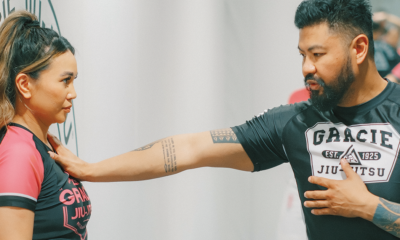
Self-Defense for All: The new Gracie Jiu-Jitsu Pasadena is for everyone | Online Features
-

 Womens Self Defense2 years ago
Understanding State-by-State Variation in Self Defense Laws
-

 Womens Preparedness9 months ago
This New PostOffice Scheme For Women Unveiled With 7.5% Interest..! #shorts #short #postoffice
-

 Womens Self Defense2 years ago
Top 5 Self-Defense Techniques Every Woman Should Know
-

 Womens Firearms1 year ago
Episode 18: Interview with Tori Branum of Middle Georgia Female Firearms Training