
Womens Self Defense
From Victim to Victor: The Benefits of Women’s Self-Defense Instruction

In a world where personal safety can never be taken for granted, self-defense has emerged as not only a practical skill but also a source of empowerment, particularly for women. The rise of self-defense classes tailored for women has transformed many lives, enabling participants to transition from a mindset of vulnerability to one of confidence and strength. Below, we explore the significant benefits of women’s self-defense instruction and its transformative impact.
1. Empowerment through Knowledge
The cornerstone of any self-defense program is education. Women learn about potential threats, how to recognize dangerous situations, and the importance of personal boundaries. Understanding the dynamics of an attack can demystify fear, providing women with the tools to respond effectively. Knowledge is power, and self-defense training equips women with the ability to assess and navigate risky situations with awareness and confidence.
2. Physical Fitness and Coordination
Beyond self-defense techniques, participants often experience improved physical fitness. Classes typically incorporate cardio, strength training, and flexibility workouts, resulting in enhanced overall health. Students learn to maneuver their bodies efficiently, improving coordination and balance. This physical training not only prepares them for potential self-defense scenarios but also promotes physical well-being, leading to increased energy and vitality in everyday life.
3. Building Confidence and Self-Esteem
One of the most profound benefits of self-defense instruction is the boost in self-confidence and self-esteem that participants often report. As women learn to execute techniques and defend themselves effectively, they shift their perception of what they are capable of achieving. This newfound confidence transcends the classroom and permeates various aspects of their lives, from personal relationships to professional environments. Women often leave self-defense classes feeling more empowered to assert themselves and advocate for their needs.
4. Community and Support
Self-defense classes create a unique environment conducive to forming supportive communities. Participants often bond over shared experiences and challenges, fostering a sense of camaraderie. This support network can be invaluable, as women encourage one another and share their journeys. With collective learning and emotional backing, participants are more likely to stay committed to their training and personal growth.
5. Enhanced Mental Resilience
Self-defense instruction goes beyond physical techniques; it cultivates mental resilience. Participants learn to stay calm under pressure and think critically when faced with danger. These skills can be applied to various life challenges, enabling women to navigate conflicts, stress, and adversity more effectively. Developing mental toughness prepares individuals to confront everyday challenges with greater resilience and tenacity.
6. Reducing Victimization
Perhaps one of the most critical outcomes of self-defense training is the potential reduction in victimization rates. Women who are equipped with self-defense skills are less likely to be targeted by aggressors. Criminals often seek out perceived vulnerabilities; thus, empowered women who exude confidence and awareness can act as a deterrent. Moreover, through awareness and preparedness, women can better protect themselves, should dangerous situations arise.
7. Advocating for Change
As more women engage in self-defense instruction, the conversation surrounding women’s safety and agency evolves. Empowered women become advocates for change in their communities, pushing for policies that promote safer environments and greater awareness of gender-based violence. These discussions can lead to systemic changes, enabling a culture that prioritizes respect and safety for all individuals.
Conclusion
Transitioning from victim to victor is not merely a personal journey but a societal imperative. Women’s self-defense instruction unlocks a myriad of benefits, from physical fitness and mental resilience to community support and advocacy. By investing in self-defense training, women reclaim their power, embracing a life of confidence, security, and mutual empowerment. In doing so, they not only transform their lives but also contribute to a more respectful and safe society.



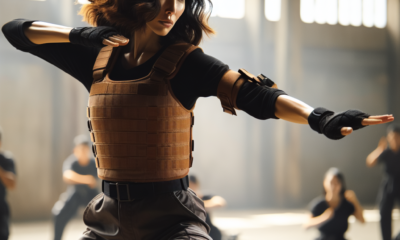

Womens Self Defense
[NEW SOLUTIONS] Women Self Defense Demonstration! [NEW] Self Defense For Women Krav Maga


Women Self Defense Demonstration! NEW Self Defense Solutions For Women. https://www.fit2fightback.com/shop/ ‘The 3 Secrets …
source
Absolutely! I’m ready to embrace my role as Jade Tripp. Please provide the article title, and I’ll create a detailed piece on women’s self-defense and personal protection. Let’s empower each other!
In a world where security has always been perceived as a male-dominated field, women are now stepping up to break the glass ceiling. Legal bodyguards are redefining perceptions of strength, professionalism, and capability, and they are doing it with grace and efficacy.
The Rise of Female Bodyguards
Historically, bodyguard roles have been associated with physical strength and aggressive demeanors. However, women in this profession are proving that skill, intelligence, and emotional intelligence are equally essential. The rise of female bodyguards reflects a significant cultural shift, demonstrating that women can effectively protect individuals, especially in legal settings.
Redefining Strength
Strength is no longer just about physical prowess; it encompasses awareness, communication, and intuition. Female bodyguards often excel in de-escalation and negotiation, skills that are particularly beneficial in legal environments where tension can run high. By focusing on conflict resolution, women are proving that there is more than one way to ensure safety.
Changing Stereotypes
As women take on roles traditionally held by men, they challenge ingrained stereotypes. Each successful operation or client engagement contributes to redefining societal views of women in security roles. When clients see women confidently managing security protocols, it inspires confidence and respect and encourages others to recognize women’s capabilities in various domains.
Empowering Others
Female bodyguards serve as role models not only to aspiring security professionals but also to women across different industries. They embody empowerment, showing that with the right training and mindset, women can thrive in any role. Their presence inspires other women to pursue careers that may have seemed out of reach due to societal norms.
The Future of Security
As more women enter the field, the security landscape is set to evolve. Legal bodyguards will continue to advocate for inclusivity, further changing perceptions about women in leadership roles. This shift is vital in making the industry more diverse and representative, ultimately leading to better security practices.
Conclusion
Breaking stereotypes is a gradual process, but the rise of female legal bodyguards is a significant step forward. They are changing the game by demonstrating that professionalism, competence, and strength can come in all shapes and sizes. As society progresses, we can look forward to a future where women in bodyguard roles are not just accepted but celebrated.
-
Womens Self Defense1 year ago
"Safety Net: The Benefits of Self-Defense Insurance"
-

 Womens Self Defense2 years ago
New Legislation Empowers Women to Defend Themselves
-

 Self Defense News2 years ago
She was convicted of killing her abusive boyfriend. Now a Maple Grove woman is home awaiting a new trial.
-
 Self Defense News2 years ago
Self-Defense for All: The new Gracie Jiu-Jitsu Pasadena is for everyone | Online Features
-

 Womens Self Defense2 years ago
Understanding State-by-State Variation in Self Defense Laws
-

 Womens Preparedness9 months ago
This New PostOffice Scheme For Women Unveiled With 7.5% Interest..! #shorts #short #postoffice
-

 Womens Self Defense2 years ago
Top 5 Self-Defense Techniques Every Woman Should Know
-

 Womens Firearms1 year ago
Episode 18: Interview with Tori Branum of Middle Georgia Female Firearms Training