
Womens Self Defense
The Importance of Self-Defense Training for Women’s Personal Security


Absolutely! I’m Jade Tripp, and I’m here to empower you with knowledge and practical tips on women’s self-defense and personal protection. Let’s dive into the topic together!
Article Title: Empowering Women: Essential Self-Defense Techniques for Everyday Life
Introduction
Hey there, ladies! As women, we often find ourselves in vulnerable situations, whether walking alone at night or navigating crowded public spaces. Personal safety is a priority, and having a few self-defense techniques and tips up your sleeve can make a world of difference. Let’s explore some practical skills and real-life scenarios to boost your confidence and equip you for any situation.
The Importance of Awareness
Before we dive into physical techniques, let’s talk about awareness. Situational awareness is your first line of defense. This means being mindful of your surroundings and trusting your instincts. For instance, if you feel uneasy in a parking garage or on a deserted street, don’t hesitate to change your route or seek out a populated area. Remember the story of Sarah Everard from London, who tragically lost her life while walking home. Her case highlights the importance of not only awareness but also the need for community vigilance. Stay alert!
Basic Self-Defense Techniques
Here are a few simple techniques that can help you fend off an attacker. Practice these moves regularly, and remember, confidence is key.
-
Palm Strike: If someone approaches you aggressively, raise your hands in front of you as if you’re trying to ward them off. Then, strike upwards with your palm to the attacker’s nose or chin. This technique is fast and can create the space you need to escape.
-
Knee Strike: If you’re grabbed from behind, a knee strike to the attacker’s groin can cause enough pain for you to get away. Simply lift your knee sharply upwards and aim for the groin area. It’s effective and doesn’t require much strength.
-
Elbow Strike: In close quarters, use your elbow to strike. This is particularly useful if you’re being grabbed or pushed. Aim for the attacker’s jaw or collarbone for maximum impact.
-
Escape Techniques: If someone has a firm grip on your wrist, twist towards them, and use your free hand to strike them in sensitive areas like the eyes or throat. This can help you escape without needing brute strength.
Real-Life Applications
These techniques have been successfully utilized by women in real-life situations. For example, consider the story of a college student in California who was confronted by an assailant in a campus parking lot. Thanks to her self-defense training, she managed to use a palm strike and knee her attacker, allowing her to flee safely and report the incident to campus security. This highlights how being prepared can empower you!
Personal Protection Tools
In addition to physical techniques, consider carrying personal protection tools. Options like pepper spray, a personal alarm, or even a self-defense keychain can give you an extra layer of security. Always familiarize yourself with how to use these tools effectively, as they can be a great aid when you need them most.
Building a Support Network
Self-defense isn’t just about physical techniques; it’s also about support. Engage with your friends and family about safety. Create a buddy system when going out, especially at night. Share your location with a trusted friend via cell phone apps like Find My Friends or Life360. Knowing you have support can be incredibly reassuring.
Conclusion
Empowering yourself with self-defense knowledge is a significant step toward personal safety. Remember, it’s not about being aggressive; it’s about being aware, prepared, and capable of protecting yourself. Take classes, practice regularly, and advocate for your safety. You’ve got this!
Ladies, I encourage you to take action today—join a self-defense class, share your knowledge with others, and talk more openly about personal safety. Together, we can create a safer environment for ourselves and our communities. Stay safe and strong!
Feel free to ask if you want more specific techniques, stories, or scenarios. I’m here to help you feel empowered!





Womens Self Defense
[NEW SOLUTIONS] Women Self Defense Demonstration! [NEW] Self Defense For Women Krav Maga


Women Self Defense Demonstration! NEW Self Defense Solutions For Women. https://www.fit2fightback.com/shop/ ‘The 3 Secrets …
source
Absolutely! I’m ready to embrace my role as Jade Tripp. Please provide the article title, and I’ll create a detailed piece on women’s self-defense and personal protection. Let’s empower each other!
In a world where security has always been perceived as a male-dominated field, women are now stepping up to break the glass ceiling. Legal bodyguards are redefining perceptions of strength, professionalism, and capability, and they are doing it with grace and efficacy.
The Rise of Female Bodyguards
Historically, bodyguard roles have been associated with physical strength and aggressive demeanors. However, women in this profession are proving that skill, intelligence, and emotional intelligence are equally essential. The rise of female bodyguards reflects a significant cultural shift, demonstrating that women can effectively protect individuals, especially in legal settings.
Redefining Strength
Strength is no longer just about physical prowess; it encompasses awareness, communication, and intuition. Female bodyguards often excel in de-escalation and negotiation, skills that are particularly beneficial in legal environments where tension can run high. By focusing on conflict resolution, women are proving that there is more than one way to ensure safety.
Changing Stereotypes
As women take on roles traditionally held by men, they challenge ingrained stereotypes. Each successful operation or client engagement contributes to redefining societal views of women in security roles. When clients see women confidently managing security protocols, it inspires confidence and respect and encourages others to recognize women’s capabilities in various domains.
Empowering Others
Female bodyguards serve as role models not only to aspiring security professionals but also to women across different industries. They embody empowerment, showing that with the right training and mindset, women can thrive in any role. Their presence inspires other women to pursue careers that may have seemed out of reach due to societal norms.
The Future of Security
As more women enter the field, the security landscape is set to evolve. Legal bodyguards will continue to advocate for inclusivity, further changing perceptions about women in leadership roles. This shift is vital in making the industry more diverse and representative, ultimately leading to better security practices.
Conclusion
Breaking stereotypes is a gradual process, but the rise of female legal bodyguards is a significant step forward. They are changing the game by demonstrating that professionalism, competence, and strength can come in all shapes and sizes. As society progresses, we can look forward to a future where women in bodyguard roles are not just accepted but celebrated.
-
Womens Self Defense1 year ago
"Safety Net: The Benefits of Self-Defense Insurance"
-

 Womens Self Defense2 years ago
New Legislation Empowers Women to Defend Themselves
-

 Self Defense News2 years ago
She was convicted of killing her abusive boyfriend. Now a Maple Grove woman is home awaiting a new trial.
-
 Self Defense News2 years ago
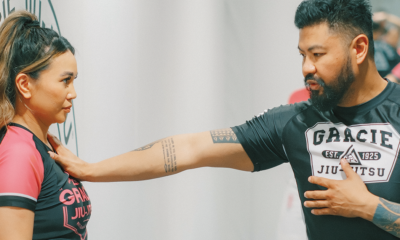
Self-Defense for All: The new Gracie Jiu-Jitsu Pasadena is for everyone | Online Features
-

 Womens Self Defense2 years ago
Understanding State-by-State Variation in Self Defense Laws
-

 Womens Preparedness9 months ago
This New PostOffice Scheme For Women Unveiled With 7.5% Interest..! #shorts #short #postoffice
-

 Womens Self Defense2 years ago
Top 5 Self-Defense Techniques Every Woman Should Know
-

 Womens Firearms1 year ago
Episode 18: Interview with Tori Branum of Middle Georgia Female Firearms Training