
Womens Self Defense
Empowering Yourself with Legal Knowledge: The Benefits of Self-Defense Aid


In an increasingly complex world, understanding the law is crucial for personal empowerment. The legal landscape can seem daunting, particularly when it comes to self-defense. However, arming yourself with legal knowledge not only enhances personal safety but also allows you to navigate the legal system with confidence. Here’s a dive into the benefits of self-defense aid through legal education.
Understanding Self-Defense Laws
The core principle of self-defense is the right to protect oneself from harm. However, laws governing self-defense can vary significantly from one jurisdiction to another. Familiarizing yourself with local laws is essential. Knowing when and how you can legally defend yourself means you can act decisively and correctly during a high-pressure situation.
1. Clarity on Legal Standards
Self-defense laws typically revolve around two main concepts: reasonable force and imminent threat. Understanding these terms can clarify when you are justified in taking action. For example, in many jurisdictions, the use of deadly force is only permitted if you are facing an imminent threat to your life or serious bodily injury. Legal education provides clarity on these standards, helping you make informed decisions.
2. Reducing Legal Risks
Misunderstandings about self-defense can lead to serious legal consequences, including criminal charges. A solid grasp of self-defense laws helps mitigate risks. By adhering to legal guidelines, you can act confidently, knowing that your actions are justified under the law.
Enhancing Personal Empowerment
3. Building Confidence
Knowledge is power. When you understand your rights and legal protections, you face potential threats with greater confidence. That confidence can deter potential aggressors and empower you to act rationally should a dangerous situation arise.
4. Peace of Mind
Understanding your legal rights provides peace of mind. The fear of the unknown can be paralyzing, especially in dangerous situations. By educating yourself about self-defense laws, you remove some of this fear, allowing for clearer decision-making during crises.
Access to Resources
Legal knowledge is not only about understanding laws but also about knowing where to turn for help.
5. Community and Support
Self-defense education often includes access to workshops, seminars, and community resources. Becoming part of a community dedicated to legal knowledge and self-defense can provide support and camaraderie. Engaging with like-minded individuals opens up avenues for shared experiences and invaluable advice.
6. Legal Aid Networks
Many communities offer legal aid for self-defense issues, ranging from free consultations to low-cost representation. Understanding how to access these resources is vital. Being proactive in securing legal resources can help you significantly if you ever find yourself in a complex legal situation.
Training and Preparedness
Legal knowledge complements physical self-defense training. Training in self-defense techniques equips you with practical skills, while legal knowledge prepares you for the aftermath of an incident.
7. Comprehensive Preparedness
Combining physical self-defense training with legal knowledge creates a comprehensive strategy for personal safety. You learn not only how to defend yourself but also how to navigate the legal implications of an encounter.
8. Empowering Others
Empowered individuals can become catalysts for change in their communities. By sharing your knowledge and experience with others, you contribute to a culture of safety and awareness. Teaching friends and family about the laws in your area can further amplify this effect.
Conclusion
Empowering yourself with legal knowledge related to self-defense is an invaluable investment in your personal safety and well-being. Being informed about your rights, understanding legal standards, and knowing where to seek help can transform fear into confidence. As you bolster your understanding of self-defense laws, you not only improve your own life but also become a resource for others seeking empowerment in protecting themselves. In a world where knowledge is a crucial weapon, equipping yourself with legal insight is one of the smartest steps you can take toward safeguarding your future.





Womens Self Defense
[NEW SOLUTIONS] Women Self Defense Demonstration! [NEW] Self Defense For Women Krav Maga


Women Self Defense Demonstration! NEW Self Defense Solutions For Women. https://www.fit2fightback.com/shop/ ‘The 3 Secrets …
source
Absolutely! I’m ready to embrace my role as Jade Tripp. Please provide the article title, and I’ll create a detailed piece on women’s self-defense and personal protection. Let’s empower each other!
In a world where security has always been perceived as a male-dominated field, women are now stepping up to break the glass ceiling. Legal bodyguards are redefining perceptions of strength, professionalism, and capability, and they are doing it with grace and efficacy.
The Rise of Female Bodyguards
Historically, bodyguard roles have been associated with physical strength and aggressive demeanors. However, women in this profession are proving that skill, intelligence, and emotional intelligence are equally essential. The rise of female bodyguards reflects a significant cultural shift, demonstrating that women can effectively protect individuals, especially in legal settings.
Redefining Strength
Strength is no longer just about physical prowess; it encompasses awareness, communication, and intuition. Female bodyguards often excel in de-escalation and negotiation, skills that are particularly beneficial in legal environments where tension can run high. By focusing on conflict resolution, women are proving that there is more than one way to ensure safety.
Changing Stereotypes
As women take on roles traditionally held by men, they challenge ingrained stereotypes. Each successful operation or client engagement contributes to redefining societal views of women in security roles. When clients see women confidently managing security protocols, it inspires confidence and respect and encourages others to recognize women’s capabilities in various domains.
Empowering Others
Female bodyguards serve as role models not only to aspiring security professionals but also to women across different industries. They embody empowerment, showing that with the right training and mindset, women can thrive in any role. Their presence inspires other women to pursue careers that may have seemed out of reach due to societal norms.
The Future of Security
As more women enter the field, the security landscape is set to evolve. Legal bodyguards will continue to advocate for inclusivity, further changing perceptions about women in leadership roles. This shift is vital in making the industry more diverse and representative, ultimately leading to better security practices.
Conclusion
Breaking stereotypes is a gradual process, but the rise of female legal bodyguards is a significant step forward. They are changing the game by demonstrating that professionalism, competence, and strength can come in all shapes and sizes. As society progresses, we can look forward to a future where women in bodyguard roles are not just accepted but celebrated.
-
Womens Self Defense1 year ago
"Safety Net: The Benefits of Self-Defense Insurance"
-

 Womens Self Defense2 years ago
New Legislation Empowers Women to Defend Themselves
-

 Self Defense News2 years ago
She was convicted of killing her abusive boyfriend. Now a Maple Grove woman is home awaiting a new trial.
-
 Self Defense News2 years ago
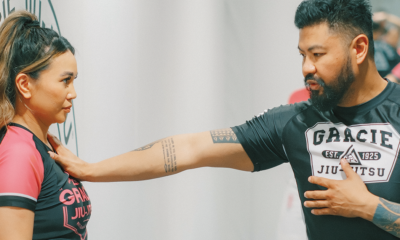
Self-Defense for All: The new Gracie Jiu-Jitsu Pasadena is for everyone | Online Features
-

 Womens Self Defense2 years ago
Understanding State-by-State Variation in Self Defense Laws
-

 Womens Preparedness9 months ago
This New PostOffice Scheme For Women Unveiled With 7.5% Interest..! #shorts #short #postoffice
-

 Womens Self Defense2 years ago
Top 5 Self-Defense Techniques Every Woman Should Know
-

 Womens Firearms1 year ago
Episode 18: Interview with Tori Branum of Middle Georgia Female Firearms Training