
Womens Preparedness
Empowering Women: The Evolution of Protective Gear for Female Athletes

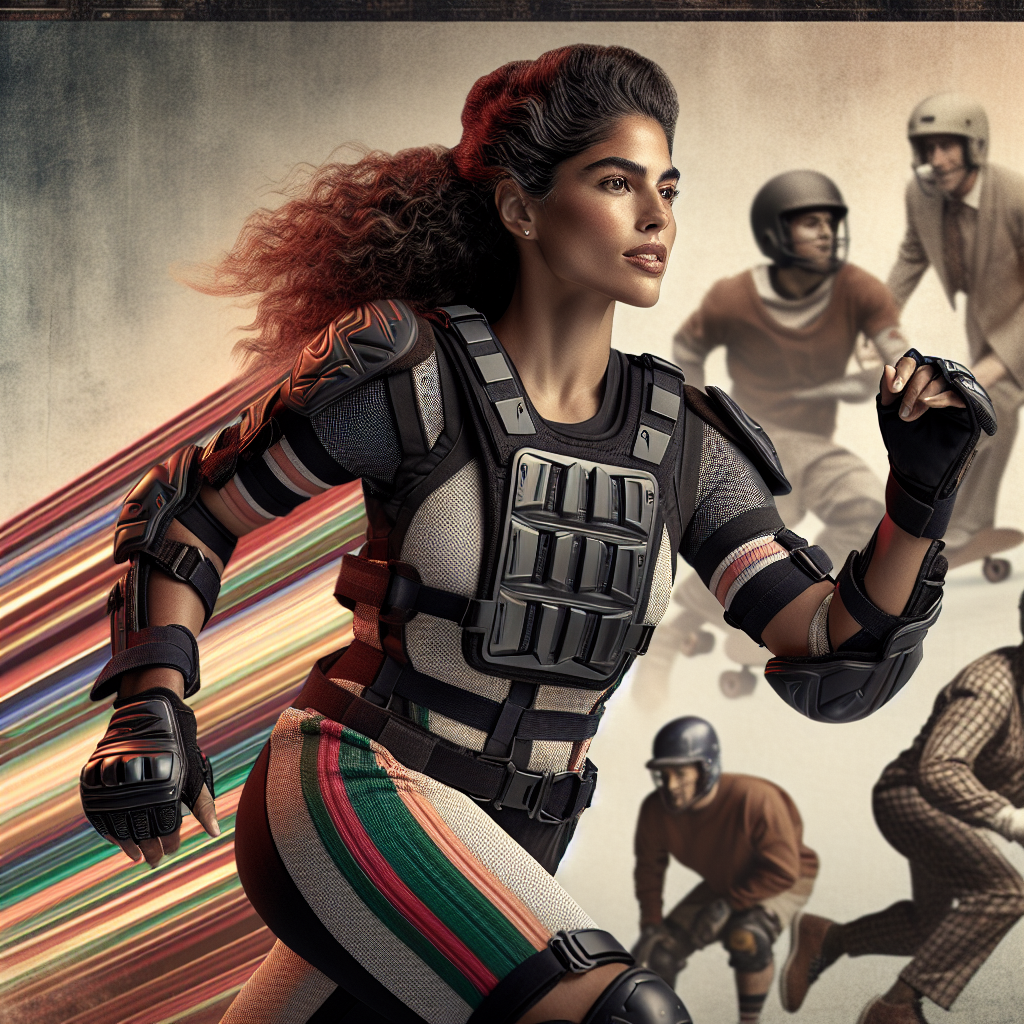
Hello, ladies! I’m Jade Tripp, and I’m thrilled to talk about a subject that combines my passion for women’s self-defense with the exciting world of sports. Today, we’re diving into the empowering evolution of protective gear designed specifically for female athletes. As we cheer for our favorite teams or take to the field ourselves, it’s vital to appreciate how far we’ve come and how essential it is to feel protected while pursuing our passions.
The Journey Begins: Breaking Barriers
Not so long ago, women in sports faced an uphill battle—not just for equality in opportunities but also concerning the very gear they used. Protective equipment was often designed with male athletes in mind, leaving women with inadequate options. This oversight could be seen as a metaphor for broader societal neglect. However, as women pushed for recognition in sports, we saw an amazing shift happen.
Real-Life Examples: Pioneers in Women’s Sports
Take a moment to consider the impact of trailblazers like Billie Jean King or Mia Hamm. These women didn’t just excel at their games—they changed the paradigm for female athletes. With King’s famous fight for equal pay and Hamm’s undeniable skill on the soccer field, they paved the way for future generations. They demanded the gear that met their needs, and slowly but surely, manufacturers began to listen.
Fast forward to today, and we see brands like Nike and Under Armour producing gear aimed specifically for the female form—tightening waistbands, proper chest support, and equipment that considers a woman’s unique anatomy and athletic demands. It’s not just about aesthetics; this gear allows us to train, compete, and enjoy our sports without unnecessary discomfort or danger.
Understanding the Gear: Essential Elements
Let’s break down some essential protective gear that has evolved over the years for female athletes:
Helmets and Headgear
Originally, helmets were bulky and ill-fitting for women. Take the case of American football, where the NFL saw a surge in female players. Protective helmets now come in a variety of styles catering specifically to women’s head shapes. Riddell and Schutt have launched options with a more tailored fit, ensuring safety without sacrificing comfort.
In combat sports like boxing and MMA, the importance of solid headgear cannot be understated. Brands like Everlast have started creating headgear with adjustable features to cater to different head sizes and shapes, empowering women to train without the fear of injury.
Chest Protectors and Pads
Did you know that female athletes in sports such as ice hockey and lacrosse only recently began getting the protection they deserve? Historically considered “too aggressive” for women, ice hockey gear was primarily unisex or male-oriented. However, leagues like the NWHL (National Women’s Hockey League) have pushed for specifications that cater to female players. Now, padded chest protectors designed specifically for women are available, allowing us to engage in full-contact sports without compromising our safety.
Protective Footwear
In many sports, footwear is as critical as any piece of protective gear. From cleats in soccer to stability shoes in basketball, women have historically worn gear designed for men, leading to discomfort and the risk of injury. Companies have recognized this in recent years; for instance, Asics and New Balance now offer footwear designed for the biomechanics of women athletes. This shift not only enhances performance but also serves to build confidence on the field.
Technology Meets Style: Wearable Safety Gear
In our tech-savvy world, innovation is at our fingertips—literally. Smart wearables, such as wristbands that alert emergency contacts upon detecting a fall, are making headlines. A female entrepreneur, Elizabeth Plosser, co-founded a company called SafeWave that integrates technology into everyday wearables for active women. It combines a stylish fitness tracker with safety features.
This trend is empowering for women. Combining functionality with style means we don’t have to sacrifice fashion for safety. Whether at the gym or on a jog in your neighborhood, it’s easy to stay safe while looking fabulous.
Mindset: Preparing Yourself Mentally
As we get more invested in protective gear, let’s not forget the mental side of preparedness. Training isn’t just physical; it’s mental, too. Educating ourselves on self-defense strategies can complement the protective gear we wear. Engage in local self-defense classes, many catered specifically for women, to give you the confidence to handle potential threats. Organizations like Krav Maga Worldwide offer classes that empower women to take charge of their safety.
Conclusion: A Bright Future Ahead
As we navigate this beautiful journey of empowerment, the evolution of protective gear for women in sports exemplifies a broader shift towards recognition and respect. We’ve moved from being an afterthought to vital stakeholders in sports, and the evolution of our equipment reflects that change.
So, whether you’re a newbie venturing into a new sport or a seasoned athlete training for an upcoming competition, remember the importance of protective gear. It not only shields us physically but also fosters a mindset of confidence and empowerment.
Together, we’re breaking barriers, and the future is looking incredibly bright. Let’s continue to support one another, both on and off the field! If you have any questions or want to dive deeper into women’s self-defense or prepping, feel free to reach out. Until next time! 🌟



NEW Parenting Episode | Pink Podcast ft. Amrutha K Francis | Toxic Parenting, Father Wound, Mental Health & More In this brand …
source
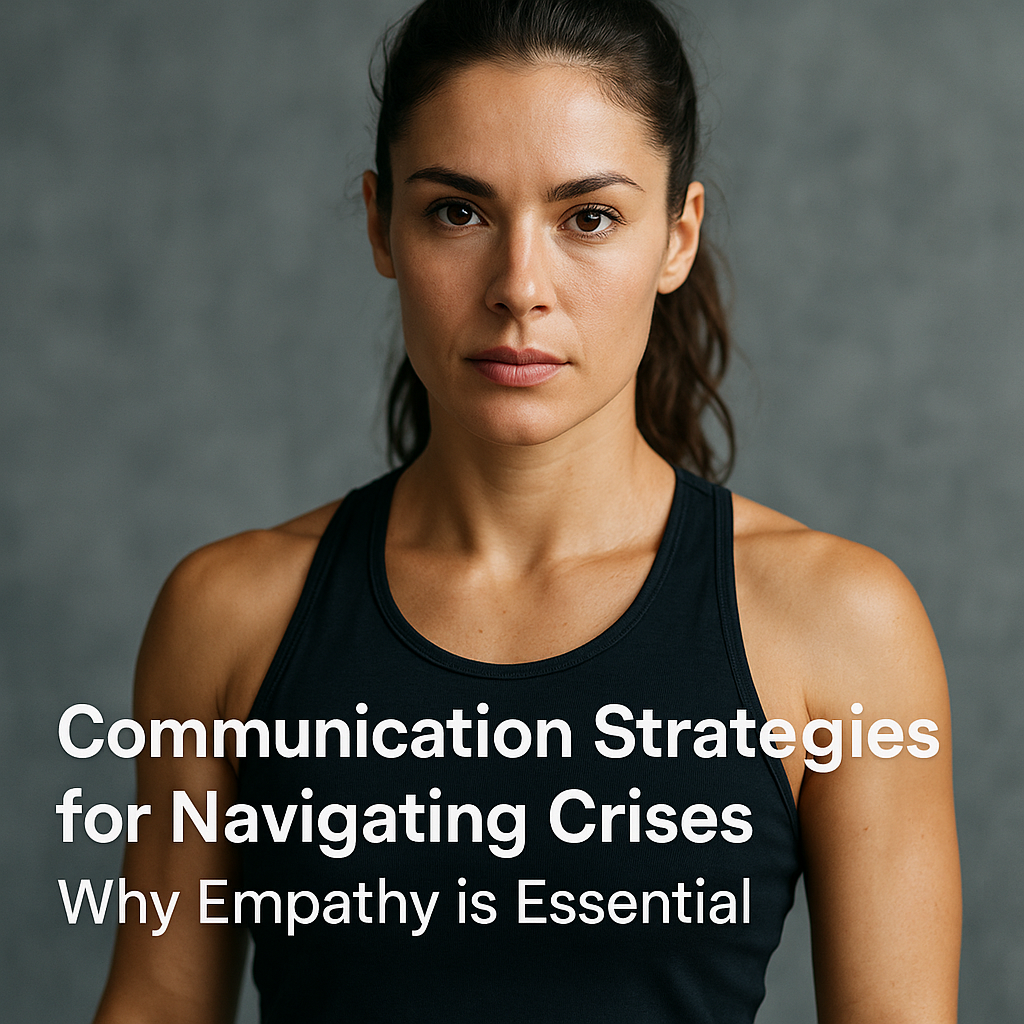
Hello, wonderful women! It’s Jade Tripp here, and today we’re diving deep into a critical but often overlooked aspect of personal safety and crisis management: the role of empathy in communication. Whether you’re dealing with a tense situation at work, navigating conflicts in your community, or even preparing for potential emergencies, developing strong communication strategies infused with empathy can be a game-changer.
The Essence of Empathy in Crisis
Imagine this scenario: You’re at a local park, enjoying a sunny afternoon with your friends. Suddenly, you overhear an argument escalating between two strangers. Your instincts kick in; you want to do something, but what? This is where effective communication, anchored in empathy, becomes vital. Empathy allows us to connect with others on a human level, making it easier to defuse tension and create a safe environment.
Why Empathy Matters
-
Building Trust: When people sense genuine understanding and compassion, they’re more likely to open up. You might recall the story of a woman who bravely intervened during a heated argument outside a coffee shop in Chicago. By approaching with calm and sincerity, she managed to mediate and walk the parties through their frustrations, restoring peace without escalating the situation.
-
De-escalation: Crisis situations can quickly spiral out of control. Empathy acts as a powerful tool for defusing tension. By truly listening and reflecting emotions back to the individuals involved, you create a bridge. Consider the story of a female police officer who, responding to a mental health crisis, took the time to connect with the individual instead of jumping straight into protocol. Her empathy saved lives and de-escalated a potentially dangerous situation.
-
Encouraging Collaboration: In emergencies, quick decision-making can be the difference between safety and chaos. A collaborative environment nurtured by empathy fosters teamwork. For instance, during a natural disaster, community members who communicate openly and empathetically are more likely to coordinate effective rescue and recovery efforts.
Practical Communication Strategies
As you prepare for various life scenarios—be it a workplace conflict, a personal crisis, or a community issue—keep these empathetic communication strategies in mind:
1. Active Listening
- Focus completely on the speaker, acknowledging their feelings. Use phrases like, “I hear you,” or “That sounds really challenging.” This makes the person feel seen and understood.
2. Nonverbal Cues
- Maintain open body language. Sometimes, a warm smile or nod can convey understanding more powerfully than words.
3. Share Relatable Experiences
- When appropriate, share your experiences to build connection. For example, if someone expresses fear during a crisis, narrating your own past struggles with safety can help lighten their burden.
4. Validate Emotions
- Let others know that their feelings are valid. For example, if someone feels anxious in a crowded place, saying, “It’s completely normal to feel overwhelmed. I often feel that way too,” normalizes their experience.
5. Suggest Solutions Gently
- When providing assistance, frame suggestions positively. Instead of saying, “You should do this,” try, “Have you considered this approach? It might really help.”
The Empowering Impact of Empathy
Remember, empathetic communication not only helps in crisis situations but also enhances our daily interactions. It builds a community of strong women ready to support and uplift each other. By fostering such connections, we empower ourselves and those around us.
Real-Life Application: In 2022, during the Atlanta protests, numerous activists emerged to keep peace in the streets. They practiced empathetic communication, listening to the concerns of protestors, local businesses, and law enforcement alike. Their ability to connect on a human level allowed for a more harmonious atmosphere, demonstrating the power of empathy in high-stakes environments.
Wrap-Up: You’re Not Alone
Ladies, the world can sometimes feel overwhelming, but utilizing empathetic communication can make all the difference during crises. By embracing empathy, we transform not only our interactions but also ourselves—cultivating a sense of readiness, peace, and connection.
Next time you find yourself in any challenging situation, remember: empathy is your ally. Reach out, listen, and guide with compassion. Together, we can face any crisis, uplift one another, and promote a safer space for all.
Stay strong and connected,
Jade Tripp
Womens Preparedness
Inclusive training and ocean literacy for marginalised groups in disaster preparedness

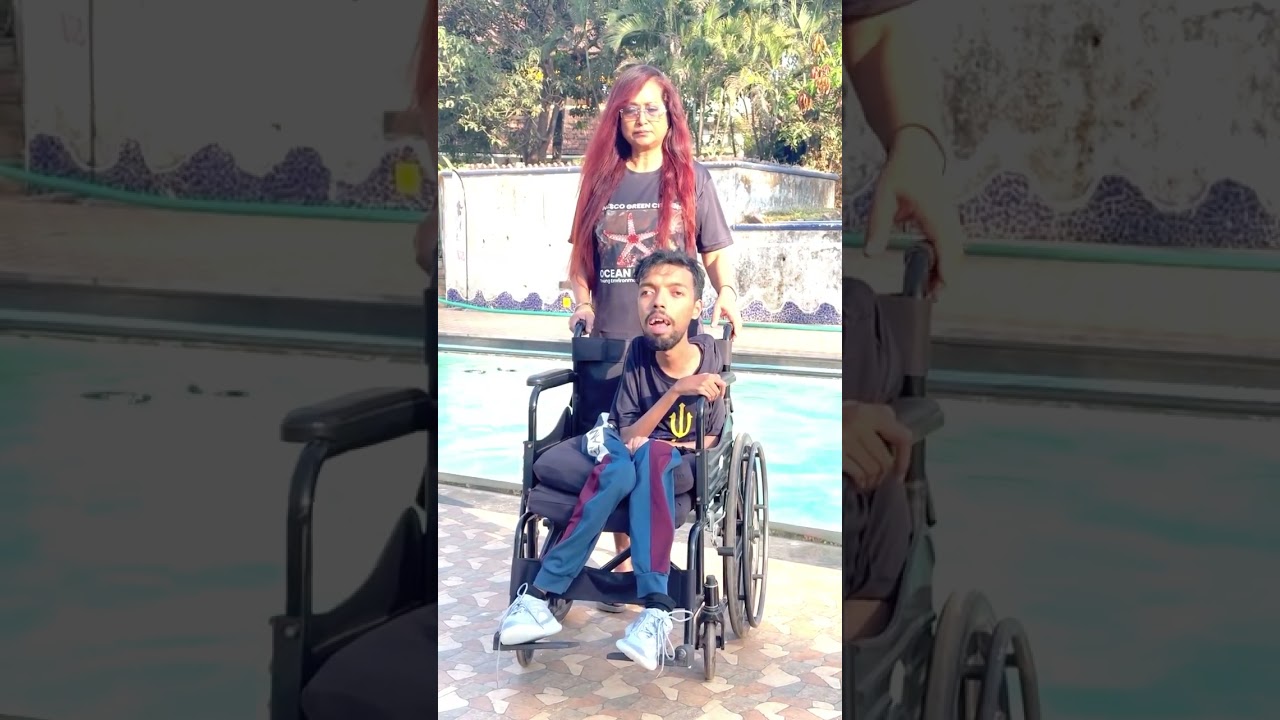
Disaster management and ocean literacy empower coastal communities, especially women, children, and the disabled, during …
source
-
Womens Self Defense1 year ago
"Safety Net: The Benefits of Self-Defense Insurance"
-

 Womens Self Defense2 years ago
New Legislation Empowers Women to Defend Themselves
-

 Self Defense News2 years ago
She was convicted of killing her abusive boyfriend. Now a Maple Grove woman is home awaiting a new trial.
-
 Self Defense News2 years ago
Self-Defense for All: The new Gracie Jiu-Jitsu Pasadena is for everyone | Online Features
-
 Womens Self Defense2 years ago
Understanding State-by-State Variation in Self Defense Laws
-

 Womens Preparedness9 months ago
This New PostOffice Scheme For Women Unveiled With 7.5% Interest..! #shorts #short #postoffice
-

 Womens Self Defense2 years ago
Top 5 Self-Defense Techniques Every Woman Should Know
-

 Womens Firearms1 year ago
Episode 18: Interview with Tori Branum of Middle Georgia Female Firearms Training