
Womens Firearms
The Dos and Don’ts of Passing Down Firearms to Loved Ones


Hey there, ladies! I’m Jade Tripp, your go-to expert in women’s self-defense and firearms. Today, we’re diving into a topic that’s crucial for anyone considering passing down firearms to loved ones: the dos and don’ts. This can be a sensitive subject, especially since it involves both the safety of our loved ones and our precious firearms.
Why This Matters
Passing down firearms is not just about handing over a weapon; it’s about instilling respect, responsibility, and a sense of security. According to the National Shooting Sports Foundation, many women are becoming more involved in firearm ownership and training, which means more conversations around safe handling, storage, and ethics.
With that in mind, let’s get into it!
The Dos
1. Do Educate First
Before you even think about passing down a firearm, ensure that your loved one has received proper training. This is non-negotiable. Consider enrolling them in a local firearm safety course—many ranges offer workshops specifically designed for women. For instance, the Women’s Outdoor News connects women with opportunities to learn at various ranges nationwide.
2. Do Establish Safety Protocols
Discuss safety protocols. Talk about safe handling practices, the importance of treating every firearm as though it’s loaded, and how to store the weapon safely. The U.S. Consumer Product Safety Commission states that safe storage can prevent countless accidents.
3. Do Have Honest Conversations
Take the time to discuss why you’re passing down this firearm. Is it a family heirloom? A practical tool for protection or sport? Sharing the emotional significance can deepen their appreciation and commitment to handling it safely.
4. Do Document Everything
Write down the specifics of the firearm—the make, model, and serial number—as well as any pertinent information about its history and care. Include maintenance tips and any current laws regarding ownership in your state. This will serve as a guide for your loved one and ensures they understand the responsibility they’re taking on.
5. Do Consider Their Needs
Not every individual will need or want the same type of firearm. Discuss their lifestyle, whether they’re interested in self-defense, sport shooting, or hunting. Help them choose a firearm that fits their needs and comfort level.
The Don’ts
1. Don’t Assume They’re Ready
Just because someone is family doesn’t mean they’re prepared for firearm ownership. Don’t assume that they’ll know how to use the firearm safely or responsibly. Gauge their interest and comfort level.
2. Don’t Neglect the Laws
Firearm laws vary widely from state to state. Passing down a firearm without understanding local laws can lead to legal issues. Make sure you’re informed about the requirements for transfer, registration, and ownership in your area.
3. Don’t Forget to Discuss Mental Health
Emphasize the importance of mental well-being. If your loved one is going through a difficult time, it may not be the right moment for them to assume responsibility for a firearm. Encourage open dialogue about feelings and mental health.
4. Don’t Ignore Safe Storage Practices
It’s not enough to just hand over a firearm. Ensure your loved one has a safe and secure place to store it. Recommend a quality firearm safe or locks; the American Academy of Pediatrics emphasizes that secure storage saves lives.
5. Don’t Overlook Continuous Training
Firearm ownership isn’t a one-time event; it’s an ongoing commitment. Encourage them to attend refresher courses and practice regularly. The more comfortable and confident they are, the safer they’ll be.
Real-Life Examples
Take Sarah, a single mother of two who inherited her father’s hunting rifle. Before passing it down, her dad took her to a women’s shooting class where she learned not only to handle the weapon safely but also to appreciate its value. Today, she uses that rifle to teach her kids the importance of firearm safety while enjoying family bonding time during hunting season.
Or consider the story of Lena, a grandmother who decided to pass down her late husband’s handgun. She first talked with her daughter about their shared values around safety and responsibility, then enrolled her in a local gun safety course. Lena not only passed down the weapon but the legacy of caring and safety that came with it.
Passing down firearms is a serious yet rewarding responsibility. By focusing on education, safety, and communication, you can ensure that your loved ones appreciate and respect the value of safe firearm ownership. Empower yourself and them with knowledge, and stay safe!
If you have further questions or need guidance, feel free to reach out. Remember, we’re in this together, ladies! Stay strong and safe!












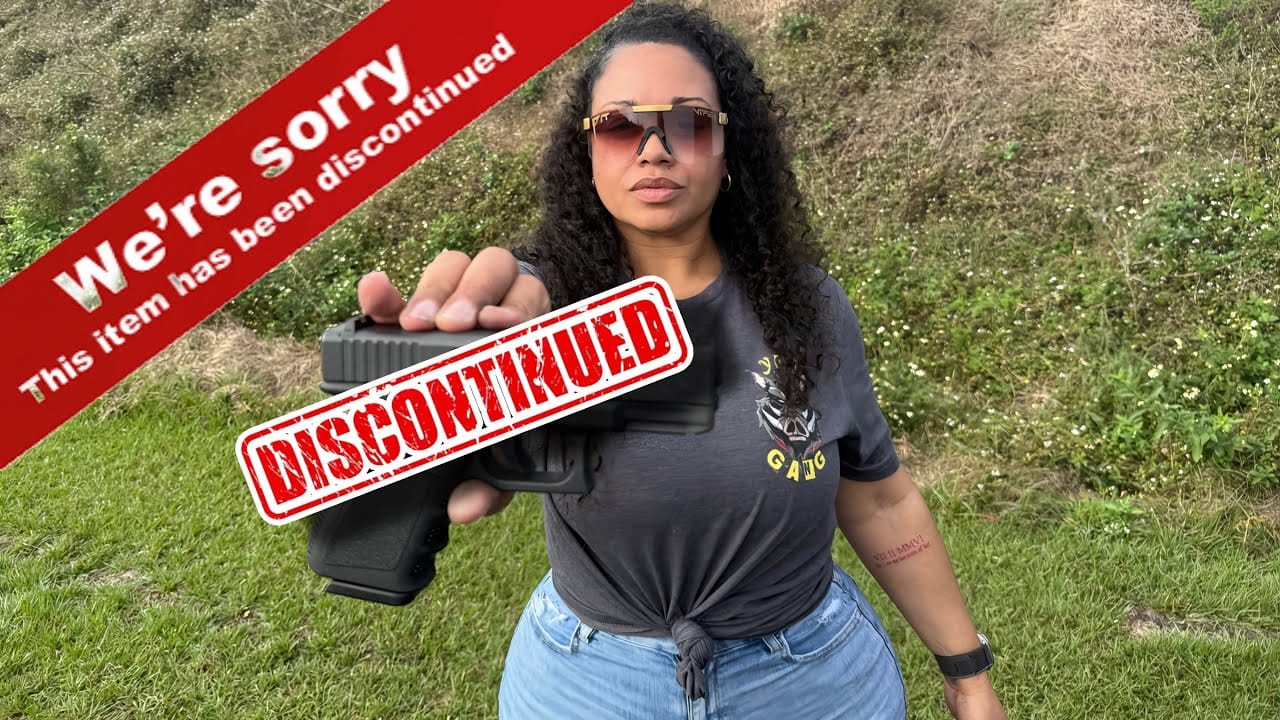
Videos are for Documentary Purposes
Videos are for Educational purpose ONLY.
All Videos are filmed in a SAFE and CONTROLLED ENVIRONMENT…
Join this channel to get access to perks:
https://www.youtube.com/channel/UC_7z4nngWLd_mQ88Jmg0rgA/join
If you like what I do and would like to support the channel CashApp $yokgang.
Love YOU for LIFE! 💋💋💋🫶🏾
Send love mail to:
Yoki Sturrup
PoBox 472157
Miami Fl 33247 😘
❤️❤️❤️❤️❤️❤️❤️❤️❤️❤️❤️❤️❤️❤️❤️❤️❤️❤️❤️❤️❤️❤️❤️❤️❤️❤️❤️❤️❤️❤️❤️❤️
Videos are for Documentary Purposes
Videos are for Educational purpose ONLY.
All Videos are filmed in a SAFE and CONTROLLED ENVIRONMENT…
source

Hey there, amazing women! 🌟 I’m Jade Tripp, and I’m here to empower you with the knowledge and skills to feel safe and secure in your daily lives. Whether you’re a seasoned self-defense enthusiast or just starting out, it’s crucial to understand some key principles of personal safety, especially in today’s unpredictable world.
The Importance of Personal Defense
Personal defense isn’t just about physical confrontation; it’s about mindset, awareness, and intention. Here are some foundational tips to get you started:
1. Stay Aware of Your Surroundings
One of the simplest yet most effective ways to keep yourself safe is to cultivate a strong awareness of your environment. Here’s a practical example: when walking to your car, scan your surroundings. Are there any suspicious individuals loitering near your vehicle? Are your headphones in, distracting you from what’s happening around you? Being aware can help you avoid potential danger before it even arises.
Real-Life Inspiration: Take a cue from Sarah, a college student who used to walk to class with her headphones in. After a close call where she was followed, she decided to change her habits. Now, she approaches her daily commute with a keen eye and a heightened sense of awareness, making her feel empowered and in control.
2. Know Basic Self-Defense Moves
You don’t need to become a black belt to defend yourself. A few basic self-defense techniques can empower you immensely. Here are some to consider practicing:
- Palm Strike: A swift blow using the heel of your palm to strike your attacker’s nose can be incredibly effective.
- Knee Strike: If someone is too close, driving your knee into their groin can incapacitate them momentarily, giving you time to escape.
- Escape from Grabs: Learning how to break free from wrist or arm grabs can be life-saving. Practice these techniques in a controlled environment with a trusted friend or instructor.
Hands-On Learning: Look for local self-defense classes specifically for women. Organizations like R.A.D. (Rape Aggression Defense) provide courses designed to equip you with effective techniques and strategies to handle various scenarios.
3. Understanding Personal Firearms
For those interested in firearms as a means of personal defense, education is paramount. Here’s how to approach it safely and responsibly:
-
Education and Training: First and foremost, seek proper training. Enroll in classes offered by certified firearms instructors. Organizations like the NRA (National Rifle Association) and U.S. Concealed Carry Association (USCCA) have great resources.
-
Choose the Right Firearm: Thinking about purchasing a firearm? Look into compact pistols like the Glock 43 or Sig Sauer P365, which are popular choices among women for their ease of handling and concealment.
-
Safe Storage: Always prioritize safety. Invest in a quality lockbox or safe and ensure your firearm is stored securely, especially if you have children at home.
Real-Life Example: Lisa, a busy mom from Texas, found herself concerned about her home safety. After attending a local workshop on firearm safety and investing in training, she successfully navigated her fears and now carries a concealed firearm responsibly, feeling empowered to protect herself and her family.
4. Practice, Practice, Practice!
Like any skill, personal defense and firearms handling improve with practice. Join a local shooting range where you can train regularly, or find a self-defense class in your area. This consistent practice not only enhances your skills but also builds confidence.
Final Thoughts
The world can sometimes feel like an intimidating place, but you have the power to defend yourself effectively. From situational awareness to understanding firearms, the key is to educate yourself, practice regularly, and share this knowledge with other women in your life.
Remember, the goal isn’t just to learn how to react in dangerous situations but to live your life confidently, knowing you can take charge of your safety. As we empower ourselves, we can also uplift and encourage one another in our journeys toward security and strength. 💪
Stay safe, secure, and always remember: you’ve got this!
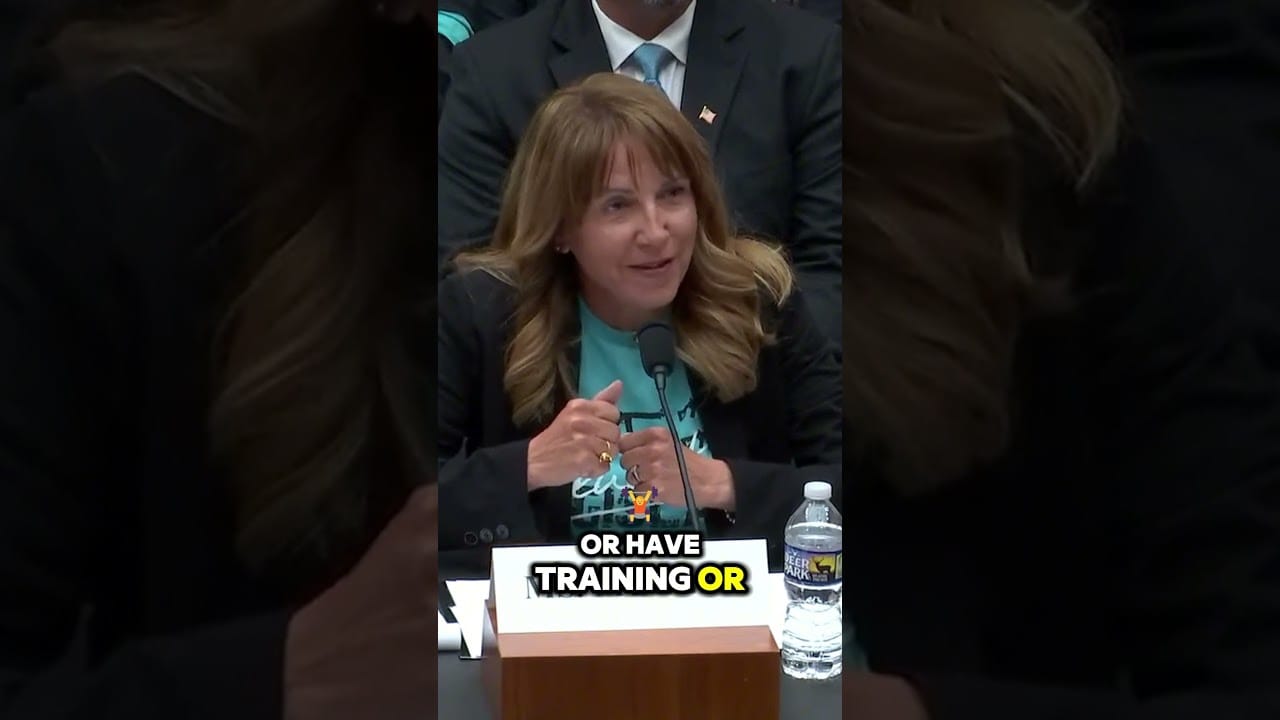
Pt 2 Congressman Barry Moore ask witness if being able to carry a firearm levels the field for women in dangerous situations.
source
-
Womens Self Defense1 year ago
"Safety Net: The Benefits of Self-Defense Insurance"
-

 Womens Self Defense2 years ago
New Legislation Empowers Women to Defend Themselves
-

 Self Defense News2 years ago
She was convicted of killing her abusive boyfriend. Now a Maple Grove woman is home awaiting a new trial.
-
 Self Defense News2 years ago
Self-Defense for All: The new Gracie Jiu-Jitsu Pasadena is for everyone | Online Features
-

 Womens Self Defense2 years ago
Understanding State-by-State Variation in Self Defense Laws
-

 Womens Preparedness9 months ago
This New PostOffice Scheme For Women Unveiled With 7.5% Interest..! #shorts #short #postoffice
-

 Womens Self Defense2 years ago
Top 5 Self-Defense Techniques Every Woman Should Know
-

 Womens Firearms1 year ago
Episode 18: Interview with Tori Branum of Middle Georgia Female Firearms Training