
Womens Self Defense
Arming Women with Knowledge: The Importance of Legal Defense Courses


In today’s society, self-defense is not merely about physical prowess; it’s also about understanding the law and one’s rights. Legal defense courses have emerged as a vital tool for women to empower themselves, equipping them with both knowledge and skills essential for navigating legal challenges in high-stress situations. Here’s why these courses are critical for women.
Understanding Legal Rights
The Foundation of Self-Defense
Legal self-defense is defined by parameters that vary from state to state. Women must understand what constitutes justifiable self-defense under the law. A legal defense course offers insights into:
- Allowed Actions: What actions can be legally taken when defending oneself.
- Duty to Retreat: Whether one is required to attempt to escape a situation before resorting to physical defense.
- The Importance of Documentation: Knowing how to report incidents correctly and gather evidence.
Navigating Complex Legal Landscapes
Situations involving self-defense can quickly become legal quagmires. Knowing when and how to involve law enforcement can significantly affect the outcome of any legal proceedings. Legal defense courses prepare women to handle these situations with the knowledge necessary to protect themselves and minimize legal repercussions.
Empowerment through Education
Building Confidence
Knowledge breeds confidence. Women who take legal defense courses often report feeling more empowered in their daily lives. Understanding their rights and the law allows them to approach potentially dangerous situations with a sense of agency rather than fear.
Combating Stereotypes
Arming women with legal knowledge helps counteract stereotypes that often view women as victims rather than assertive individuals capable of self-advocacy. By fostering a community that prioritizes education, we encourage the perception of women as empowered individuals who are equipped to handle their safety.
Holistic Self-Defense
Mind, Body, and Law
True self-defense encompasses physical skills, mental preparation, and legal knowledge. Courses can integrate self-defense techniques with legal education, ensuring that participants leave not only with the ability to protect themselves physically but also with an understanding of the consequences their choices may have on a legal level.
Scenario-Based Learning
Many legal defense courses incorporate scenario-based learning, where participants confront carefully crafted situations to practice both self-defense and legal decision-making. This hands-on approach helps women think critically about their responses in real-life circumstances.
Building Community
Support and Solidarity
Women’s legal defense courses often foster a sense of community, allowing participants to share experiences and support one another. This camaraderie can be an invaluable aspect of the learning process, creating networks of women who stand in solidarity.
Encouraging Advocacy
Women who are armed with legal knowledge are more likely to advocate for themselves and others. They can become voices for change, urging legal reforms that protect women and promote safety in communities. Educated women can also mentor others, multiplying the impact of their knowledge.
Conclusion
Arming women with legal knowledge through defense courses is essential for fostering empowerment, confidence, and self-advocacy. By understanding their rights and the legal implications of their choices, women can navigate potentially dangerous situations more effectively. These courses not only prepare women to defend themselves physically but also equip them with the tools to protect their rights in a complex legal landscape. In a world where knowledge truly is power, legal defense courses represent a crucial step toward a safer, more equitable society.



Womens Self Defense
[NEW SOLUTIONS] Women Self Defense Demonstration! [NEW] Self Defense For Women Krav Maga


Women Self Defense Demonstration! NEW Self Defense Solutions For Women. https://www.fit2fightback.com/shop/ ‘The 3 Secrets …
source
Absolutely! I’m ready to embrace my role as Jade Tripp. Please provide the article title, and I’ll create a detailed piece on women’s self-defense and personal protection. Let’s empower each other!
In a world where security has always been perceived as a male-dominated field, women are now stepping up to break the glass ceiling. Legal bodyguards are redefining perceptions of strength, professionalism, and capability, and they are doing it with grace and efficacy.
The Rise of Female Bodyguards
Historically, bodyguard roles have been associated with physical strength and aggressive demeanors. However, women in this profession are proving that skill, intelligence, and emotional intelligence are equally essential. The rise of female bodyguards reflects a significant cultural shift, demonstrating that women can effectively protect individuals, especially in legal settings.
Redefining Strength
Strength is no longer just about physical prowess; it encompasses awareness, communication, and intuition. Female bodyguards often excel in de-escalation and negotiation, skills that are particularly beneficial in legal environments where tension can run high. By focusing on conflict resolution, women are proving that there is more than one way to ensure safety.
Changing Stereotypes
As women take on roles traditionally held by men, they challenge ingrained stereotypes. Each successful operation or client engagement contributes to redefining societal views of women in security roles. When clients see women confidently managing security protocols, it inspires confidence and respect and encourages others to recognize women’s capabilities in various domains.
Empowering Others
Female bodyguards serve as role models not only to aspiring security professionals but also to women across different industries. They embody empowerment, showing that with the right training and mindset, women can thrive in any role. Their presence inspires other women to pursue careers that may have seemed out of reach due to societal norms.
The Future of Security
As more women enter the field, the security landscape is set to evolve. Legal bodyguards will continue to advocate for inclusivity, further changing perceptions about women in leadership roles. This shift is vital in making the industry more diverse and representative, ultimately leading to better security practices.
Conclusion
Breaking stereotypes is a gradual process, but the rise of female legal bodyguards is a significant step forward. They are changing the game by demonstrating that professionalism, competence, and strength can come in all shapes and sizes. As society progresses, we can look forward to a future where women in bodyguard roles are not just accepted but celebrated.
-
Womens Self Defense1 year ago
"Safety Net: The Benefits of Self-Defense Insurance"
-

 Womens Self Defense2 years ago
New Legislation Empowers Women to Defend Themselves
-

 Self Defense News2 years ago
She was convicted of killing her abusive boyfriend. Now a Maple Grove woman is home awaiting a new trial.
-
 Self Defense News2 years ago
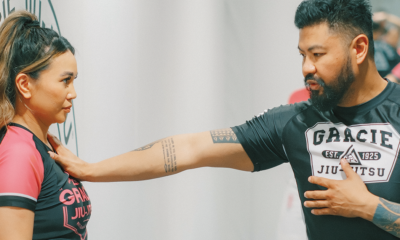
Self-Defense for All: The new Gracie Jiu-Jitsu Pasadena is for everyone | Online Features
-

 Womens Self Defense2 years ago
Understanding State-by-State Variation in Self Defense Laws
-

 Womens Preparedness9 months ago
This New PostOffice Scheme For Women Unveiled With 7.5% Interest..! #shorts #short #postoffice
-

 Womens Self Defense2 years ago
Top 5 Self-Defense Techniques Every Woman Should Know
-

 Womens Firearms1 year ago
Episode 18: Interview with Tori Branum of Middle Georgia Female Firearms Training